


Neuromuscular therapy (NMT) is a specialized form of manual therapy that targets trigger points, ischemic tissue, and neuromuscular imbalances to relieve pain and restore normal muscle function. Unlike a standard relaxation massage, NMT is a clinical approach built around precise assessment and targeted pressure. It addresses the root causes of chronic muscle tension, referred pain, and movement dysfunction rather than providing temporary surface-level relief. Athletes dealing with recurring tightness, desk workers with persistent neck and shoulder pain, and anyone recovering from a soft tissue injury all stand to benefit from this focused method.
What is neuromuscular therapy and how does it work?
Neuromuscular therapy is defined as a structured manual treatment that identifies and corrects pain-producing trigger points using specific pressure techniques applied to dysfunctional muscle tissue. The term “neuromuscular” reflects the therapy’s dual focus: the muscle tissue itself and the nervous system signals that control it. Both components must be addressed for lasting relief.
The physiological foundation of NMT centers on trigger points. According to StatPearls research, trigger points are hard nodules within taut muscle bands that cause both local and referred pain. Active trigger points produce pain without any pressure applied. Latent trigger points only hurt when pressed. This distinction matters because a patient may feel pain in their shoulder while the actual trigger point sits in a neck muscle several inches away.
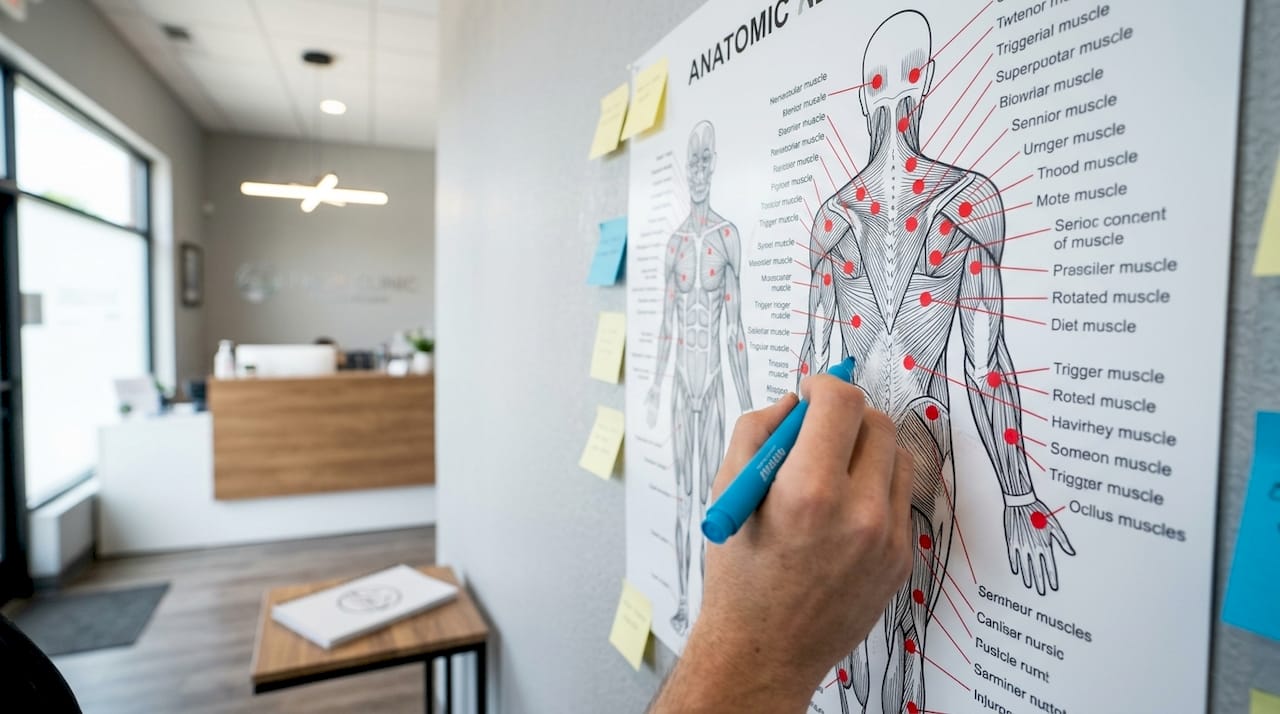
Ischemic compression is the primary technique used to deactivate these nodules. Research confirms that sustained pressure on trigger points reduces pain signaling and normalizes muscle biomechanical properties, with typical application lasting around 90 seconds at gradually increasing pressure. The sustained pressure temporarily restricts blood flow, and when released, fresh oxygenated blood floods the area, clearing metabolic waste and reducing the chemical irritants that sustain pain.
The nervous system plays an equally important role. Manual therapy alters brain-body safety perception, reducing the threat signals that cause muscle guarding and tension. This means NMT works through neurological pathways, not just mechanical tissue changes. A muscle that has been guarding for months due to perceived threat can release when the nervous system receives consistent, safe input from skilled manual pressure.
Key physiological targets in NMT include:
- Active trigger points that generate spontaneous pain and limit range of motion
- Latent trigger points that restrict movement and create stiffness without constant pain
- Ischemic tissue with restricted circulation and accumulated metabolic waste
- Hypertonic muscle bands that compress nerves and blood vessels in surrounding tissue
Pro Tip: If you press on a tight spot and feel pain shoot to a completely different area of your body, that referred pain pattern is a classic sign of an active trigger point. A skilled NMT therapist maps these patterns before touching the painful area itself.
How neuromuscular therapy compares to deep tissue massage and physical therapy
Many people use “deep tissue massage” and “neuromuscular therapy” interchangeably. They are not the same. Understanding the difference helps you choose the right treatment for your specific problem.
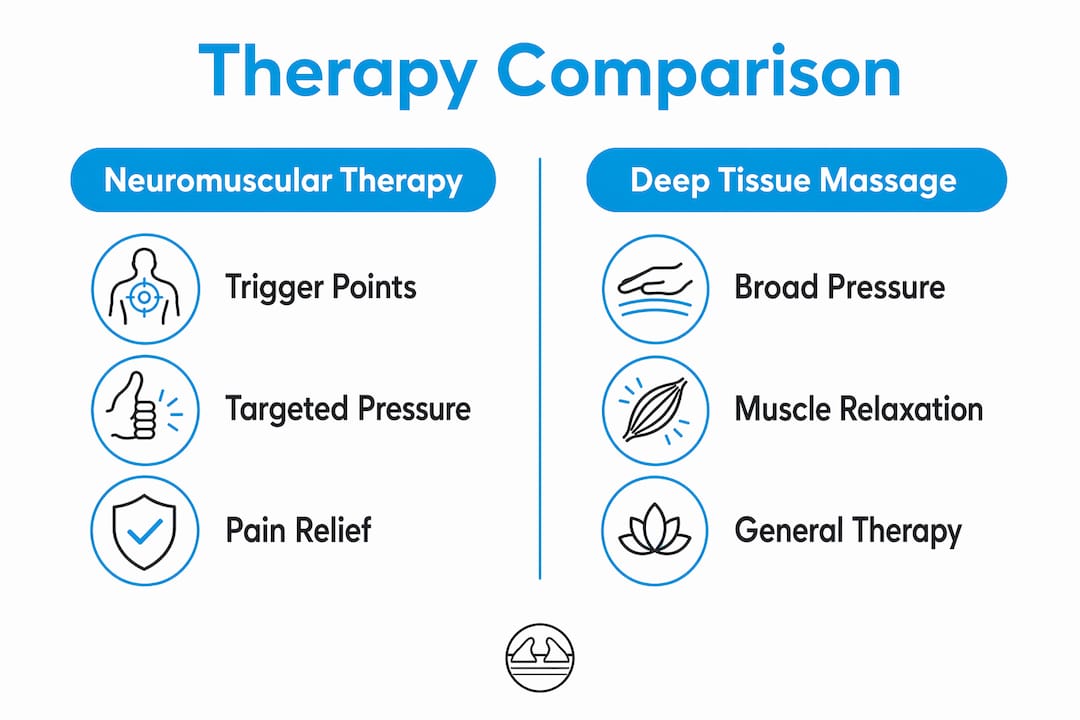
NMT uses targeted pressure on specific pain generators, while deep tissue massage applies broad, firm pressure across larger muscle groups to reduce general tension. Deep tissue work is effective for overall muscle soreness and stress relief. NMT is the better choice when pain has a specific pattern, a referred component, or a history of not responding to general massage.
Physical therapy focuses on strength, mobility, and functional movement rehabilitation. It uses exercise prescription, joint mobilization, and corrective movement patterns. NMT complements physical therapy by addressing the soft tissue restrictions that prevent a patient from performing rehab exercises correctly. Many clinicians use both in sequence: NMT first to release the trigger points, then physical therapy to rebuild strength and movement patterns around the newly released tissue.
| Therapy | Primary focus | Pressure type | Best for |
|---|---|---|---|
| Neuromuscular therapy | Trigger points and pain generators | Targeted, moderate to firm | Chronic pain, referred pain, muscle dysfunction |
| Deep tissue massage | General muscle tension | Broad, firm | Soreness, stress, overall tightness |
| Physical therapy | Strength and mobility | Exercise-based | Injury rehab, movement correction |
| Myofascial release | Fascial restrictions | Sustained, gentle to moderate | Widespread tension, postural issues |
One common misconception is that more pressure always means better results. NMT uses customized pressure targeting trigger points in focused sessions, and that pressure is calibrated to the patient’s tolerance. Excessive pressure triggers protective guarding, which is the opposite of the desired outcome. A therapist who listens to your feedback and adjusts accordingly is practicing NMT correctly.
Core neuromuscular therapy techniques and what to expect in a session
A well-structured NMT session follows a clear sequence from assessment to targeted treatment. Understanding this structure helps you get more from each appointment and communicate better with your therapist.
-
Initial assessment. The therapist collects a detailed pain history, observes your posture and movement patterns, and uses palpation to locate trigger points. Mapping referred pain patterns is critical at this stage because the area you feel pain is often not where the therapist will work.
-
Effleurage and warming strokes. Slow gliding strokes increase circulation to the target area and prepare the tissue for deeper work. This phase also gives the therapist real-time information about muscle tone and tissue quality.
-
Ischemic compression. The therapist applies direct, sustained pressure to each identified trigger point. Patient feedback guides pressure duration and force throughout this phase to avoid triggering protective muscle guarding. Pressure holds typically last around 90 seconds per point.
-
Digital manipulation and gliding strokes. After compression, the therapist uses precise finger and thumb movements to work along the muscle fiber, breaking up adhesions and restoring normal tissue texture.
-
Complementary modalities. Depending on your condition, the session may include myofascial release, stretching, muscle energy techniques, or lymphatic drainage. These additions address the broader tissue environment around the treated trigger points.
-
Reassessment. The therapist checks your range of motion and pain levels post-treatment to measure immediate outcomes and plan the next session.
Session frequency depends on the severity and duration of your condition. Acute issues may resolve in two to four sessions. Chronic patterns built up over years typically require a multi-session plan with reassessment at regular intervals.
Pro Tip: Drink water after an NMT session. The metabolic waste released from treated tissue needs to be flushed through your system. Mild soreness 24 to 48 hours post-session is normal and indicates the tissue responded to treatment.
Who benefits most from neuromuscular therapy
Neuromuscular therapy produces the strongest results for people whose pain has a specific, reproducible pattern that has not responded to general massage or rest. That profile covers a wide range of people.
- Athletes dealing with recurring muscle tightness, performance-limiting tension, or soft tissue injuries use NMT to accelerate recovery and prevent compensatory movement patterns from developing. Soft tissue therapy for athletes that incorporates NMT principles addresses the neuromuscular imbalances that lead to overuse injuries.
- Chronic tension sufferers with persistent neck, shoulder, or lower back pain often carry years of accumulated trigger points that general massage cannot fully resolve. NMT’s structured assessment approach identifies the actual pain generators rather than treating symptoms.
- Injury recovery patients benefit from NMT’s ability to restore normal muscle tone and circulation in tissue that has tightened around an injury site. Ischemic compression improves balance and pain reduction without the risks associated with more invasive interventions like dry needling, making it suitable during active recovery phases.
- Desk workers with postural tension in the upper traps, levator scapulae, and suboccipital muscles respond well to NMT because these muscles develop dense, active trigger points from sustained static loading.
The nervous system recalibration that NMT produces also supports long-term wellness. When the brain stops perceiving a muscle group as threatened, it stops sending chronic guarding signals. That shift reduces baseline tension throughout the body, not just in the treated area. Patients often report improved sleep, reduced general anxiety, and better movement quality after a course of NMT treatment. These outcomes reflect the nervous system’s role in modulating pain and muscle tone at a systemic level.
Key takeaways
Neuromuscular therapy relieves chronic pain and restores muscle function by targeting trigger points through ischemic compression and nervous system modulation, not just surface-level pressure.
| Point | Details |
|---|---|
| Trigger point targeting | NMT identifies active and latent trigger points as the root cause of local and referred pain. |
| Ischemic compression | Sustained pressure of around 90 seconds deactivates trigger points and restores normal muscle function. |
| Nervous system involvement | NMT reduces pain by recalibrating the brain’s threat perception, not just releasing tight tissue mechanically. |
| Distinct from deep tissue massage | NMT uses focused, assessment-driven pressure on specific pain generators rather than broad muscle work. |
| Wide candidate pool | Athletes, chronic tension sufferers, injury recovery patients, and desk workers all benefit from structured NMT care. |
Why NMT is more than a massage with extra pressure
I have spent years watching people cycle through massage appointments without lasting relief, and the pattern is almost always the same. They get temporary loosening, feel better for a day or two, and then the tension returns. The missing piece is almost never more pressure. It is better assessment.
What separates skilled neuromuscular therapy from a firm massage is the thinking that happens before the therapist’s hands ever touch the tissue. NMT requires analysis of multiple contributing factors including ischemia, neurovascular entrapment, structural imbalance, and postural stressors. A therapist who skips that assessment and goes straight to pressing on the painful area is not practicing NMT. They are practicing guesswork with firm pressure.
The nervous system piece is also consistently underestimated. Patients sometimes feel a muscle tighten during treatment and assume the therapy is not working. That tightening is often a protective response from the nervous system, not evidence of failure. Apparent muscle tightening during treatment can signal a protective reaction rather than treatment failure. Understanding that distinction changes how you experience and evaluate a session.
My honest recommendation: if you are considering NMT, ask your therapist how they assess before they treat. The quality of that answer tells you more about their competence than any credential on the wall.
— Cameron
Extend your neuromuscular therapy results at home
Professional NMT sessions produce real results, but the tissue work does not stop when you leave the clinic. Maintaining trigger point release between appointments is where most people lose ground.
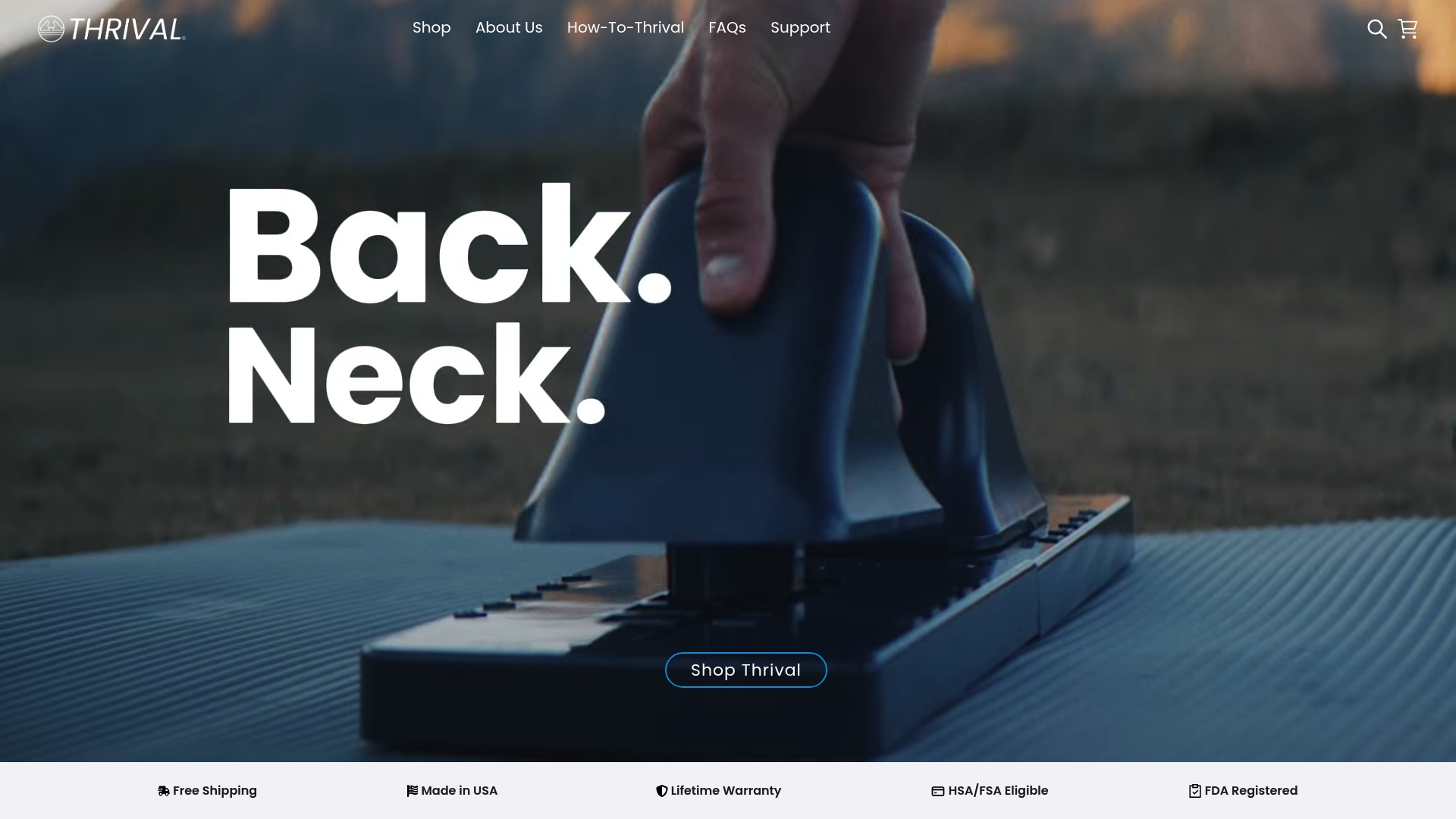
The Thrival Deep Tissue Pro is a non-motorized, US-manufactured recovery tool designed to replicate the targeted pressure principles of NMT at home. The base board accepts four interchangeable attachments including the Thrival Bullseye, which delivers precision pressure to tight muscle areas consistent with ischemic compression principles, and the Thrival Wave, which provides varied pressure across larger muscle groups. FDA-registered and backed by a lifetime warranty, the system comes with instructional routines and a dedicated app to guide your self-care practice. Free shipping included.
FAQ
What is the main goal of neuromuscular therapy?
The primary goal is to identify and deactivate trigger points that cause local and referred pain, restoring normal muscle tone and function through targeted manual pressure and nervous system modulation.
How is neuromuscular therapy different from regular massage?
Regular massage applies broad pressure for general relaxation, while NMT uses a structured assessment to locate specific pain generators and applies precise ischemic compression to deactivate them.
Is neuromuscular therapy effective for chronic pain?
Yes. NMT addresses the root cause of chronic pain by targeting trigger points and recalibrating the nervous system’s threat response, producing results that general massage and rest often cannot achieve.
How many sessions does neuromuscular therapy take?
Acute conditions may resolve in two to four sessions. Chronic patterns typically require a multi-session treatment plan with regular reassessment to track progress and adjust the approach.
Can I do neuromuscular therapy techniques at home?
You can apply ischemic compression principles at home using targeted recovery tools. Devices like the Thrival Deep Tissue Pro replicate the sustained pressure mechanics of NMT for between-session maintenance.