


Muscle recovery advice is everywhere, and most of it contradicts itself. One source tells you to ice down immediately after training; another says heat is better. Some coaches swear by foam rolling; others call it a waste of time. If you’re an active person who wants real answers about muscle release therapy, the noise can feel overwhelming. The truth is, the evidence base for muscle release therapy is growing but still nuanced. This article cuts through the confusion, breaks down what the science actually supports, and gives you a practical framework to use recovery work where it pays off most.
Table of Contents
- What is muscle release therapy and why does it matter?
- 1. Eases post-exercise soreness and stiffness
- 2. Supports joint mobility and range of motion
- 3. May help manage pain intensity for specific conditions
- What the research really says: Nuance, limitations, and best practices
- Our perspective: The real-world impact of muscle release therapy
- Experience the difference with advanced at-home muscle release tools
- Frequently asked questions
Key Takeaways
| Point | Details |
|---|---|
| Reduces soreness and stiffness | Muscle release therapy can lessen post-exercise discomfort and help you recover faster. |
| Enhances mobility | Targeted techniques may improve joint range of motion and make daily movement easier. |
| Can relieve specific pain | Manual interventions can ease myofascial pain syndrome and tough trigger points for some users. |
| Technique matters | Best results come from proper timing, pressure, and methods tailored to the individual. |
| Consistency is key | Regular, mindful use is more effective than occasional, aggressive approaches. |
What is muscle release therapy and why does it matter?
Muscle release therapy is a broad category of manual and tool-assisted techniques designed to reduce muscle tension, improve tissue mobility, and support faster recovery after physical stress. It covers a wide range of approaches, from hands-on massage performed by a licensed therapist to self-applied methods you can do at home before or after your training sessions.
The core physiological goals are straightforward: improve local blood flow, deliver more oxygen to fatigued tissue, and help clear metabolic waste products like lactate that build up during intense exercise. When muscles stay tight and circulation is restricted, tissue repair slows and discomfort lingers. Muscle release therapy addresses these factors directly.
Common modalities include:
- Manual massage: Applied by a therapist, targeting superficial and deep muscle tissue
- Foam rolling (self-myofascial release): Rolling body weight across a foam cylinder to apply sustained pressure
- Trigger point release: Applying direct, focused pressure to specific tight spots within the muscle (called trigger points)
- Percussive massage devices: Motorized tools that deliver rapid pulses of pressure deep into tissue
- Tool-assisted methods: Devices like spinal decompression tools or targeted soft tissue release tools that target specific anatomical zones
Here’s what the current science says clearly: post-exercise muscle repair likely benefits from massage in areas like soreness, stiffness, and blood flow, but evidence is not uniform across all outcomes. Timing, pressure level, and session duration all influence whether you get results. That’s a critical takeaway. Doing “some recovery work” is not the same as doing the right kind, at the right time, with appropriate intensity.
“The effect of muscle release therapy is real, but it is not automatic. Variables like pressure, duration, and timing can shift outcomes considerably, which is why consistent, informed application matters more than occasional intense sessions.”
Exploring the full landscape of soft tissue therapy types can help you find what aligns best with your training schedule and specific recovery needs.
1. Eases post-exercise soreness and stiffness
Most people who start using muscle release therapy do so because of delayed-onset muscle soreness, known as DOMS. DOMS typically peaks 24 to 72 hours after exercise involving eccentric muscle contractions (the lowering phase in squats, the descent in pushups, or the downhill portion of a run). It results from micro-tears in muscle fibers and the inflammatory response that follows. The stiffness makes movement feel restricted and can reduce your training quality for several days.
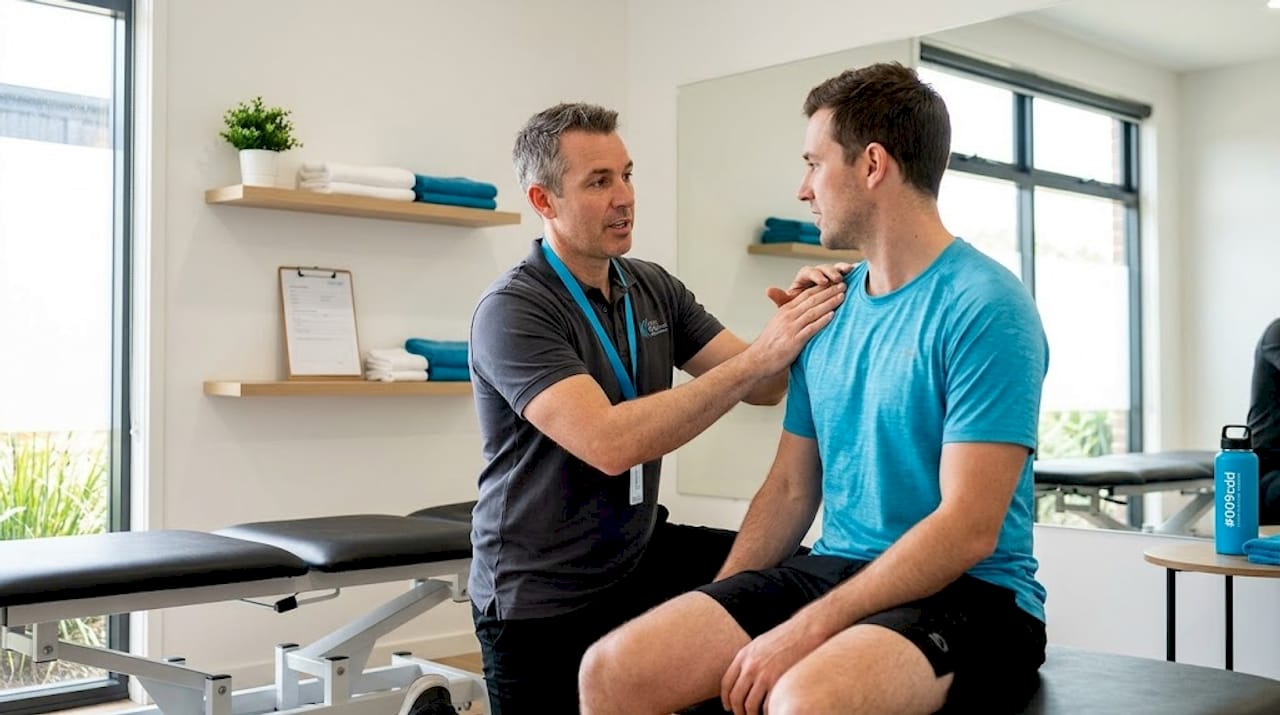
Muscle release therapy directly targets the tissue changes associated with DOMS. Research consistently identifies soreness and stiffness reduction as the most likely benefits of post-exercise massage, along with improved blood flow and reduced swelling. This doesn’t mean results are guaranteed, but soreness relief is where the evidence is strongest.
For foam rolling and percussive massage specifically, research on mechanical properties shows improvements in muscle stiffness, tone, and elasticity after eccentric exercise. These tools help the muscle return to its resting length faster and reduce the mechanical resistance that makes post-workout movement feel labored. The catch is that pain relief compared to passive rest is not always significantly different in some study protocols. However, improved mechanical properties mean better functional movement sooner, which matters for athletes who train frequently.
The most effective tools and techniques for DOMS include:
- Foam rolling: Best for large muscle groups like quads, hamstrings, and calves; apply 60 to 90 seconds of sustained pressure per area
- Percussive massage devices: Effective for targeting dense, hard-to-access muscle bellies; use low-to-medium intensity settings immediately post-workout
- Manual massage: Provides the widest range of pressure adaptation and is effective within 24 hours of intense training
- Targeted release tools: Useful for specific areas like the thoracic spine, hip flexors, and upper back where tension accumulates from compound lifts
For actionable guidance on applying these techniques effectively, reviewing deep tissue massage techniques is a solid starting point.
Pro Tip: For best soreness relief, apply light-to-medium pressure muscle release work within two hours of your session, rather than waiting until the next morning when stiffness has already set in. Earlier application supports better blood flow before inflammation peaks.
Pairing these techniques with the right muscle recovery tools allows you to customize your approach to specific training demands and body areas.
2. Supports joint mobility and range of motion
Reducing soreness is just half the equation. Freedom of movement is the next major target for muscle release intervention, particularly for athletes whose performance depends on full joint range of motion (ROM).
ROM is the degree to which a joint can move through its intended arc without restriction. Limited ROM in the hips affects squat depth and running mechanics. Tight thoracic spine mobility restricts overhead pressing and swimming strokes. When muscles and fascia become chronically tight, they pull joints out of optimal alignment and reduce efficiency across every movement pattern you train.
Muscle release therapy, particularly when applied to areas with active myofascial trigger points, shows within-group improvements in pain intensity, pressure pain threshold, and joint ROM. A study on friction massage found meaningful changes within treatment groups, though comparisons against control groups showed that superiority for pain and pressure pain threshold was not always clearly significant, and ROM results remained inconclusive in some comparisons. This is an important distinction. Results are real but vary based on how embedded the restriction is and how consistently therapy is applied.
Here’s where improved mobility from muscle release work pays off most:
| Movement or activity | Primary muscle groups involved | ROM benefit when tight spots are addressed |
|---|---|---|
| Back squats | Hip flexors, quads, glutes | Deeper squat depth, reduced anterior knee stress |
| Yoga poses | Thoracic spine, hamstrings, hips | Greater reach, better spinal alignment |
| Running | Hip flexors, IT band, calves | More efficient stride, lower injury risk |
| Overhead pressing | Lats, rotator cuff, pec minor | Full lockout, reduced shoulder impingement |
| Swimming | Thoracic spine, shoulders | Extended stroke cycle, power output improvement |
For practical releasing trigger points techniques, targeted pressure over 30 to 90 seconds on a restricted area is often enough to produce a noticeable shift in joint mobility that you can assess immediately with a functional movement test.
Self-assessment is straightforward. After applying release work to your hip flexors, test your lunge depth. After thoracic spine work, test your shoulder flexion. If you notice a measurable change, the therapy is working. If you notice no difference after multiple consistent sessions, addressing muscle tension causes at a structural level with professional guidance may be appropriate.
3. May help manage pain intensity for specific conditions
Beyond overall flexibility, many athletes and fitness enthusiasts deal with persistent, pinpoint muscle pain. This is different from post-workout soreness. These are localized, sometimes referred pain patterns that stem from myofascial trigger points or myofascial pain syndrome (MPS), a condition where tight spots in muscle tissue cause ongoing pain that can radiate to other areas.
A network meta-analysis of RCTs provides evidence that manipulative treatments produce meaningful benefits for myofascial pain syndrome, supporting the use of properly targeted manual therapy for this condition. This is stronger evidence than what exists for general post-workout soreness, and it points to a specific category of people who stand to benefit most.
The key distinction is this: general muscle soreness responds to a wide range of recovery techniques because the root cause (inflammatory response) resolves on its own over time. Trigger point pain and MPS are different. They can persist for weeks or months and often require targeted, sustained pressure applied directly to the trigger point, not just broad tissue work.
| Therapy type | Best suited for | Less effective for |
|---|---|---|
| Foam rolling | General DOMS, large muscle group tension | Precise trigger point deactivation |
| Percussive massage | Muscle belly stiffness, circulation | Deep-seated myofascial restriction |
| Manual trigger point release | MPS, referred pain patterns | Systemic inflammation or overtraining |
| Targeted tool-assisted release | Back, hip, neck trigger points | Full-body general recovery |
Signs you may need targeted therapy rather than general recovery work:
- Pain that persists longer than five days after training without improving
- A specific “knot” that feels tender to direct pressure and refers pain elsewhere
- Movement restrictions that do not improve with stretching alone
- Recurring tightness in the same spot across multiple training weeks
- Pain that wakes you at night or is present at rest
Pro Tip: To identify a trigger point yourself, apply firm, slow pressure with a thumb or tool across the muscle belly. A trigger point typically produces a distinct “jump sign,” an involuntary twitch or sharp local tenderness that differs from generalized tissue soreness. If you consistently locate the same spot and it refers pain, consult a physical therapist or certified manual therapist before self-treating aggressively.
Following a structured trigger point pain relief protocol is often more effective than generic recovery routines for these presentations.
What the research really says: Nuance, limitations, and best practices
Now that the main benefits and specific conditions have been explained, it’s time to bring together the nuanced lessons from current science and expert advice.
The most important thing to understand is that the “release” produced by muscle release therapy is often neuromuscular in nature, meaning it works primarily by modulating pain signals and muscle tone rather than permanently restructuring tissue. This is not a limitation. It actually explains why consistent, well-applied therapy produces better outcomes than single, high-intensity sessions. The nervous system learns and adapts over time.
“The research clearly shows that how you apply therapy, including the timing, pressure level, and duration, shapes the outcome as much as which technique you use. Individual variation also plays a large role. What produces measurable relief in one person may show minimal effect in another using the exact same protocol.”
Best practices for maximizing muscle release therapy outcomes:
- Sequence it correctly: Apply light pressure release before training to improve ROM; apply moderate pressure release post-training to address soreness and tissue tension.
- Match pressure to goal: Light pressure (enough to feel resistance but not pain) works best for immediate pre-session mobility. Moderate to firm pressure works best for post-session soreness and trigger point work.
- Stay in each position long enough: Research on manual and tool-assisted methods consistently points to 60 to 90 seconds per targeted area as a minimum effective duration.
- Be consistent across weeks: One or two sessions will produce short-term relief. Three to four weeks of regular application produces measurable changes in ROM, stiffness, and pain scores.
- Adjust based on response: If an area becomes more sensitive after treatment, reduce pressure and frequency. Pain during therapy should not exceed a 6 out of 10 on a discomfort scale.
The broader lesson from muscle recovery science is that recovery is not a single intervention but a system. Muscle release therapy is a powerful component of that system when applied with intention. Understanding why mobility and recovery matter for your long-term performance helps frame this as a non-negotiable investment rather than an optional add-on.
Our perspective: The real-world impact of muscle release therapy
Most people want a single answer: “Which tool should I use, how often, and for how long?” That’s understandable. But the search for a one-size-fits-all recovery solution is where most people waste time and money.
Here’s the honest reality: the most durable benefit from muscle release therapy comes from learning your own body’s patterns. Which areas tighten after leg day? Where do you carry stress-related tension? Does your upper back lock up after long desk sessions before evening training? These answers are individual, and they shape everything from tool selection to session timing.
The contrarian view worth stating plainly: more aggressive therapy is not better therapy. Many active people instinctively apply maximum pressure or treat recovery sessions like bonus training. The research does not support that approach. In fact, overly aggressive tissue work can increase local inflammation and delay the recovery it was meant to accelerate.
Small, mindful adjustments in your routine consistently outperform occasional intense recovery sessions. Spending 10 minutes every day on two or three targeted areas produces better outcomes than a 60-minute weekly session when you finally feel broken down.
Choosing muscle recovery tools that match your actual anatomy and goals matters more than buying the most advanced product available. The best tool is the one you use correctly and consistently.
Pro Tip: Consistency and mindful application beat intensity every time. Set a three-minute timer, target one specific tight area, and practice deliberate pressure and breathing. Do this daily for two weeks before evaluating results.
Experience the difference with advanced at-home muscle release tools
With the knowledge of what works and why, here’s how you can boost your muscle recovery practice today.
Knowing the science is only useful when you have the right tools to put it into practice. At-home muscle release no longer means improvising with a tennis ball on the floor.
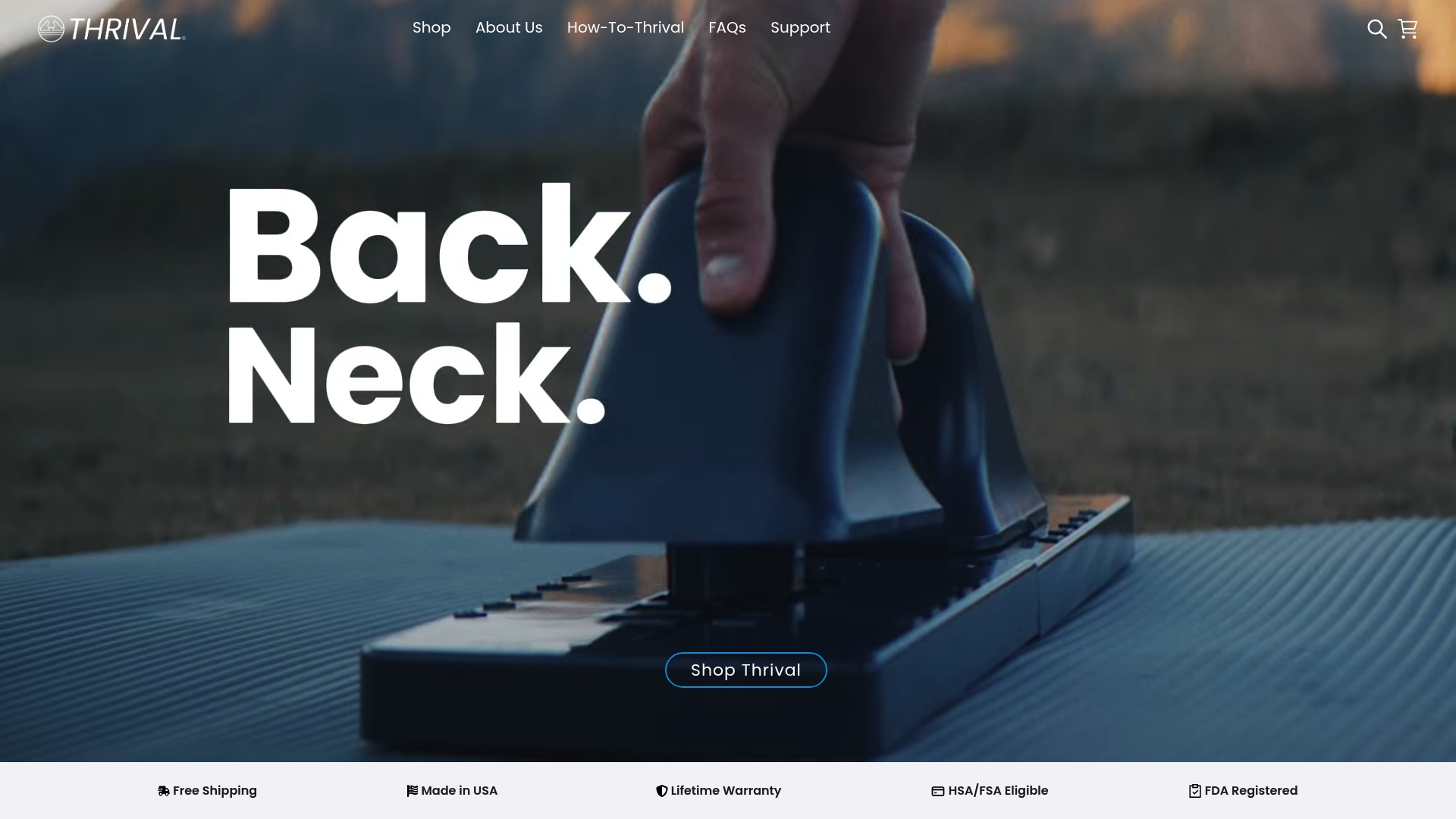
The Thrival Deep Tissue Pro is built specifically for the targeted, anatomy-informed recovery work discussed throughout this article. Designed to address trigger points, spinal decompression, and deep tissue tension in the back, hips, neck, and shoulders, it replicates professional-grade therapy on your schedule. Every product on the Thrival platform is US-manufactured, FDA registered, and backed by a lifetime warranty, so you’re investing in a recovery tool that performs session after session. Whether you’re managing DOMS, working on joint mobility, or addressing persistent trigger point pain, the right tool makes consistent, effective therapy straightforward.
Frequently asked questions
How often should I use muscle release therapy for best results?
Two to four sessions per week is a typical starting point, but optimal frequency depends on your training volume, individual recovery rate, and specific technique being used. Targeted trigger point work may require daily application to specific areas, while general recovery sessions work well three times per week.
Is muscle release therapy safe for everyone?
Most physically active individuals can use muscle release therapy safely when applied with appropriate pressure and technique. Anyone with an acute injury, circulatory condition, or recent surgery should consult a healthcare professional before starting any form of manual or tool-assisted tissue work.
Does muscle release therapy help with chronic muscle pain?
Manipulative treatments for myofascial pain show meaningful evidence of benefit for myofascial pain syndrome, but long-term outcomes for chronic pain depend heavily on accurate diagnosis, consistent application, and whether the underlying cause is being addressed alongside therapy.
Which is better: foam rolling or manual massage?
Both reduce stiffness and support recovery, but for different reasons. Foam rolling improves mechanical properties like muscle stiffness and elasticity effectively, while manual massage provides more adaptable pressure and is better suited to complex trigger point patterns or referred pain scenarios.
Can I use muscle release therapy after every workout?
Yes, post-workout muscle release therapy is generally safe when applied at appropriate pressure and duration. Moderate, consistent application supports blood flow and tissue repair without adding physiological stress, as long as you pay attention to your body’s feedback and avoid working into sharp pain.