


Back pain is one of the most common reasons people miss work, skip workouts, and give up activities they enjoy. Finding reliable ways to relieve back pain is genuinely difficult because the options range from resting on the couch to buying expensive devices, and most advice treats every back pain experience the same. It does not work that way. What helps an athlete recovering from a deadlift injury differs from what helps a desk worker with stiffness that builds through the afternoon. This article gives you a clear framework to evaluate methods, understand the evidence behind them, and choose approaches that actually fit your life.
Table of Contents
- Criteria to evaluate ways to relieve back pain
- Gentle movement and targeted exercises
- Structured exercise guided by ACSM principles
- Using muscle recovery tools as adjuncts to exercise
- Comparing methods to relieve back pain: movement, exercise, and recovery tools
- Choosing the right back pain relief method for your lifestyle and pain duration
- Why moving gently but intentionally outperforms both over-rest and over-exertion
- Discover Thrival’s advanced muscle recovery tools to complement your back pain relief plan
- Frequently asked questions
Key Takeaways
| Point | Details |
|---|---|
| Gentle movement helps | Short, frequent gentle movements prevent stiffness and improve back pain recovery. |
| Exercise dosage matters | Following structured ACSM exercise guidelines leads to significant pain reduction and function improvement. |
| Proper rest timing | Limit rest to 24–48 hours during severe flare-ups, then resume gentle activity for best recovery. |
| TENS aids adjunct relief | TENS units provide pain relief when used at the correct intensity alongside exercises, not alone. |
| Tailor methods to you | Choose back pain relief methods based on your pain duration, lifestyle, and ability for sustainable results. |
Criteria to evaluate ways to relieve back pain
Before you try a new method, it pays to run it through a short checklist. Harvard Health emphasizes that the best first steps depend on pain duration and lifestyle, not a one-size-fits-all protocol. That distinction matters more than most people realize.
Use these criteria before committing to any approach:
- Safety first. Never push through severe pain or hold spine positions that sharpen symptoms. Mild discomfort during movement is usually acceptable; sharp or radiating pain is not.
- Lifestyle fit. An active runner needs different tools than someone sitting at a desk for eight hours. Understanding mobility and recovery importance changes how you prioritize methods.
- Pain duration. Acute pain (under 12 weeks) and chronic pain (12 weeks or longer) respond differently to the same treatment. Matching your approach to your timeline matters.
- Evidence backing. Prefer methods with clinical support over trends. This does not mean ignoring personal experience, but evidence narrows down what is worth your time.
- Adherence potential. A method you will actually do consistently outperforms the theoretically perfect method you abandon after two weeks.
Now that you understand how to evaluate relief methods, let’s explore specific effective options.
Gentle movement and targeted exercises
Movement is medicine for most back pain cases, but the type and intensity matter. Dartmouth Health recommends gentle walking, stretching, and home exercises while specifically avoiding hyperflexion, hyperextension, and twisting movements when the spine is irritated. That last point catches people off guard. Well-meaning gym habits like deep forward folds or heavy rotational stretches can aggravate an already sensitive area.
Short walks every hour or two are one of the most underrated home exercises for back pain. They increase circulation to spinal discs, which rely on movement rather than direct blood supply to stay nourished. The goal is not distance or pace, it is frequency.
Effective gentle movements to start with include:
- Pelvic tilts lying on your back, flattening your lower spine against the floor
- Shoulder blade squeezes seated or standing to counter rounded posture
- Cat-cow stretches moving slowly through spinal flexion and extension within comfort
- Heel slides to activate hip flexors and glutes without loading the spine
- Short walks of 5 to 10 minutes every hour for sedentary individuals
The NHS advises against prolonged rest during flare-ups and encourages short, frequent walks instead. Extended bed rest actually weakens the muscles that support your spine, making recovery slower and the next flare-up more likely. Active recovery for back pain is not a contradiction in terms.
Pro Tip: Use pain as a guide, not a stopping point. If an activity causes an increase in pain that lingers for more than 20 to 30 minutes after you stop, dial it back. If the discomfort settles quickly, you are likely within a safe range.
With movement-based approaches covered, let’s examine the role of structured exercise following clinical guidelines.
Structured exercise guided by ACSM principles
Gentle movement gets you through a flare-up. Structured exercise is what prevents the next one. The American College of Sports Medicine (ACSM) provides specific guidelines for exercise prescription in back pain, and programs adhering at least 75% to ACSM guidelines significantly improve both pain levels and physical function in low back pain patients.
Here is what ACSM-aligned exercise looks like in practice:
| Exercise type | Recommended intensity | Frequency | Duration per session |
|---|---|---|---|
| Aerobic (walking, cycling) | 40% to 60% heart rate reserve | 3 to 5 days/week | 20 to 40 minutes |
| Resistance training | 60% to 70% of 1-rep max | 2 to 3 days/week | 8 to 12 reps per set |
| Flexibility/stretching | Mild to moderate tension | 2 to 3 days/week | 10 to 30 seconds per stretch |
Understanding the importance of exercise dose is what separates people who see real improvement from those who plateau. Too little intensity yields minimal adaptation. Too much too soon causes setbacks. The ACSM framework gives you a range that is clinically meaningful without being aggressive.
Resistance training for back pain does not mean heavy deadlifts from day one. It starts with bodyweight movements like glute bridges, bird-dogs, and modified planks that build the spinal stabilizers without excess load. As those muscles strengthen, the spine becomes better supported during everyday tasks like sitting, bending, and lifting. For a closer look at what targeted exercises for back pain look like in practice, hip mobility work is often the missing piece.
Knowing how structured exercise can help, let’s explore adjunct recovery devices that support muscle relaxation and pain relief.
Using muscle recovery tools as adjuncts to exercise
Exercise relieves back pain over weeks and months. Recovery tools work faster on muscle tightness and can make it easier to stay active in the first place. The key word is adjunct, meaning they support your movement and exercise plan rather than replace it.
TENS units (transcutaneous electrical nerve stimulation) are among the most studied devices for back pain. TENS delivers better results when the electrical intensity is clearly perceptible to the user rather than set to a barely-there level, and they work best alongside exercise rather than as a standalone treatment. If you can barely feel the stimulation, you are likely leaving most of the benefit on the table.
Manual recovery tools like massage balls, trigger point rollers, and targeted psoas release boards address muscle tightness directly. The muscle therapy for pain relief approach works by applying sustained pressure to tight spots in the muscle tissue, similar to what a therapist does with manual pressure but in your own home and on your own schedule. Trigger point therapy is particularly useful for the hip flexors and glutes, which are frequent contributors to lower back tension even when the pain feels entirely spinal.
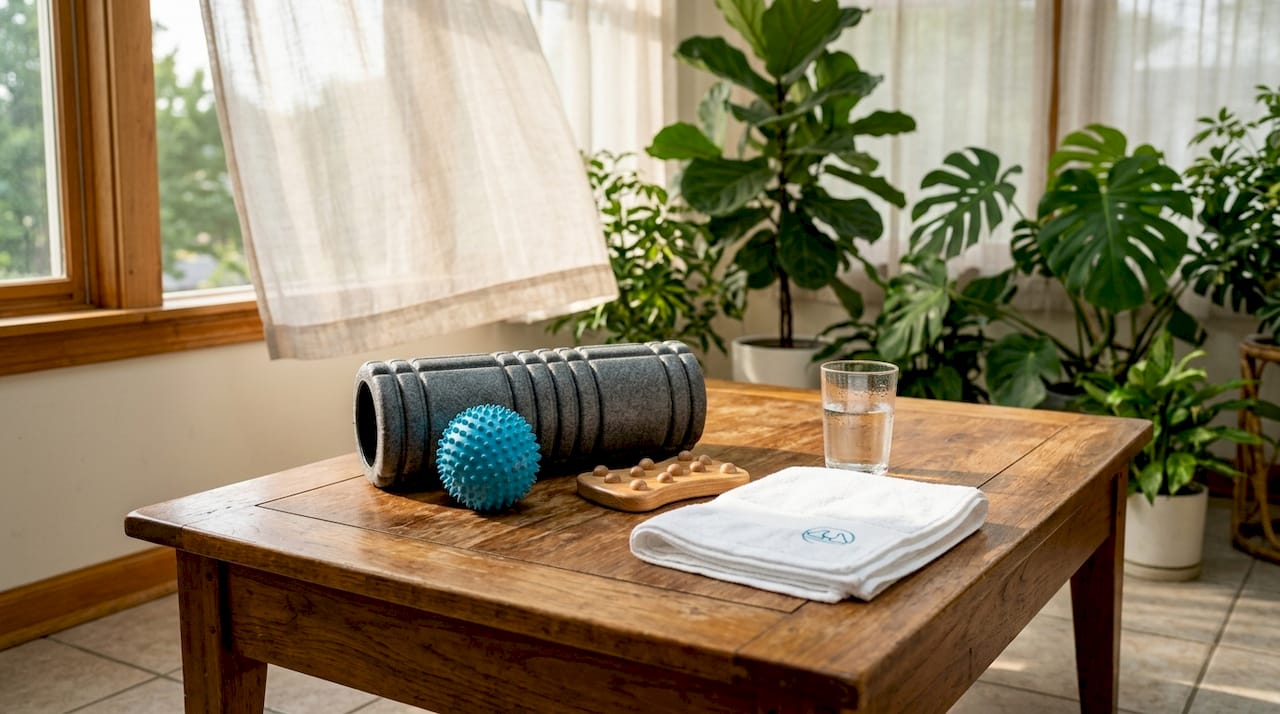
Pro Tip: Position a recovery tool under your glutes or lower back while lying on the floor before your morning walk. Two to three minutes of sustained pressure on tight spots before movement dramatically improves how those first steps feel.
Key principles for using recovery tools effectively:
- Pair tool use with movement, not instead of movement
- Apply consistent daily pressure to chronic tight spots rather than occasional sessions
- Choose tools with multiple attachment options so you can target the back, hips, and glutes with one system
- Monitor your response: mild soreness the next day is normal; sharp pain during use is not
After covering individual options, let’s compare these approaches to help you decide what fits best for your situation.
Comparing methods to relieve back pain: movement, exercise, and recovery tools
| Method | Best for | Pros | Cons |
|---|---|---|---|
| Gentle movement (walking, stretching) | Acute and chronic pain, all fitness levels | Free, immediate, improves circulation | Requires consistency, limited impact alone |
| Structured exercise (ACSM guidelines) | Chronic pain, long-term prevention | Strongest evidence, improves function | Requires time, needs progression |
| TENS units | Acute and chronic pain management | Portable, non-invasive pain control | Not a cure, intensity matters, cost varies |
| Manual recovery tools | Muscle tightness, post-exercise recovery | Targeted, cost-effective, home use | Learning curve, complements other methods |
| Prolonged rest | Severe acute flare (first 24 to 48 hours only) | Reduces initial irritation | Worsens recovery if extended |
Movement and exercise consistently improve both pain levels and physical function across the research literature. Recovery tools provide real support when used correctly, but they occupy a supporting role. Short rest followed by activity is preferable to prolonged bed rest at any stage of back pain. These findings align across multiple sources and clinical guidelines.
The practical takeaway from this comparison is simple: no single method does everything. The most effective approach combines gentle movement, progressive exercise, and targeted muscle tension relief techniques to address pain from multiple angles. With this comparison in mind, let’s consider how to apply these insights based on your personal circumstances.
Choosing the right back pain relief method for your lifestyle and pain duration
Matching your approach to your specific situation is where most generic advice falls short. Harvard Health highlights that short-term pain treatments differ meaningfully from chronic pain approaches. Here is how to apply that practically:
- New pain under 12 weeks: Start with heat, gentle walking, and basic stretches. Massage tools can ease muscle guarding quickly. Avoid aggressive exercise until the acute phase settles.
- Chronic pain of 12 weeks or longer: Shift focus to structured exercise, physical therapy, and mindfulness-based approaches. Recovery tools become a daily maintenance habit rather than a first response.
- Active individuals: You already have an exercise base. Add recovery tools to address the muscle tightness that builds from training, and use them before and after sessions to maintain spinal mobility.
- Sedentary individuals: Begin with movement breaks every hour and two to three short walks daily. Add simple bodyweight exercises after two to three weeks. Introduce recovery tools to work out the hip flexor and glute tightness that builds from prolonged sitting.
- Monitor your response: If pain consistently worsens with a specific activity, stop and reassess. Gradual improvement with occasional minor setbacks is normal.
- Progress gradually: Increase duration and intensity by no more than 10% per week to avoid overloading recovering tissue.
Pro Tip: Keep a simple log for two weeks. Note what you did, how your pain responded during the activity, and how it felt 30 minutes after. Patterns emerge quickly and help you avoid the trial-and-error cycle that frustrates most people. For a closer look at safe at-home back exercises, focusing on listening to your body’s signals is always the right starting point.
Why moving gently but intentionally outperforms both over-rest and over-exertion
Here is the contrarian truth most back pain advice misses: the problem is rarely the movement itself. It is the approach to movement.
Conventional wisdom splits into two camps. One says rest until the pain is gone. The other says push through it and toughen up. Both camps produce worse outcomes than the middle ground that clinical practice now strongly supports. As Dartmouth Health puts it, “hurt doesn’t always equal harm”, but pain-monitoring to stay within tolerable limits is the essential safeguard that makes that principle safe to apply.
The research on mobility and recovery consistently shows that mild discomfort during movement is not a warning to stop. It is often a signal that you are working tissue that needs work. The line between productive discomfort and harmful overload is crossed when pain increases significantly during activity and stays elevated afterward, not when you feel any sensation at all.
Over-reliance on recovery tools without movement is equally limiting. A massage tool that releases a tight psoas gives you a temporary window of better mobility. If you do not move through that window with walking, exercise, or functional activity, the muscle tightens back up within hours. Tools and movement are not interchangeable. They are sequential. Use the tool to reduce tension, then use movement to reinforce the new range. That cycle, repeated consistently, is what produces lasting change rather than temporary relief.
The practical implication is this: pace yourself intentionally, not reactively. Do not wait for pain to stop before you move, and do not wait for motivation to use your recovery tools. Build both into a daily routine that is small enough to do even on bad days, and the results compound over weeks in a way that neither approach achieves alone.
Discover Thrival’s advanced muscle recovery tools to complement your back pain relief plan
You now have a clear picture of what works, why it works, and how to match it to your situation. The next step is having the right tools to support your daily routine.
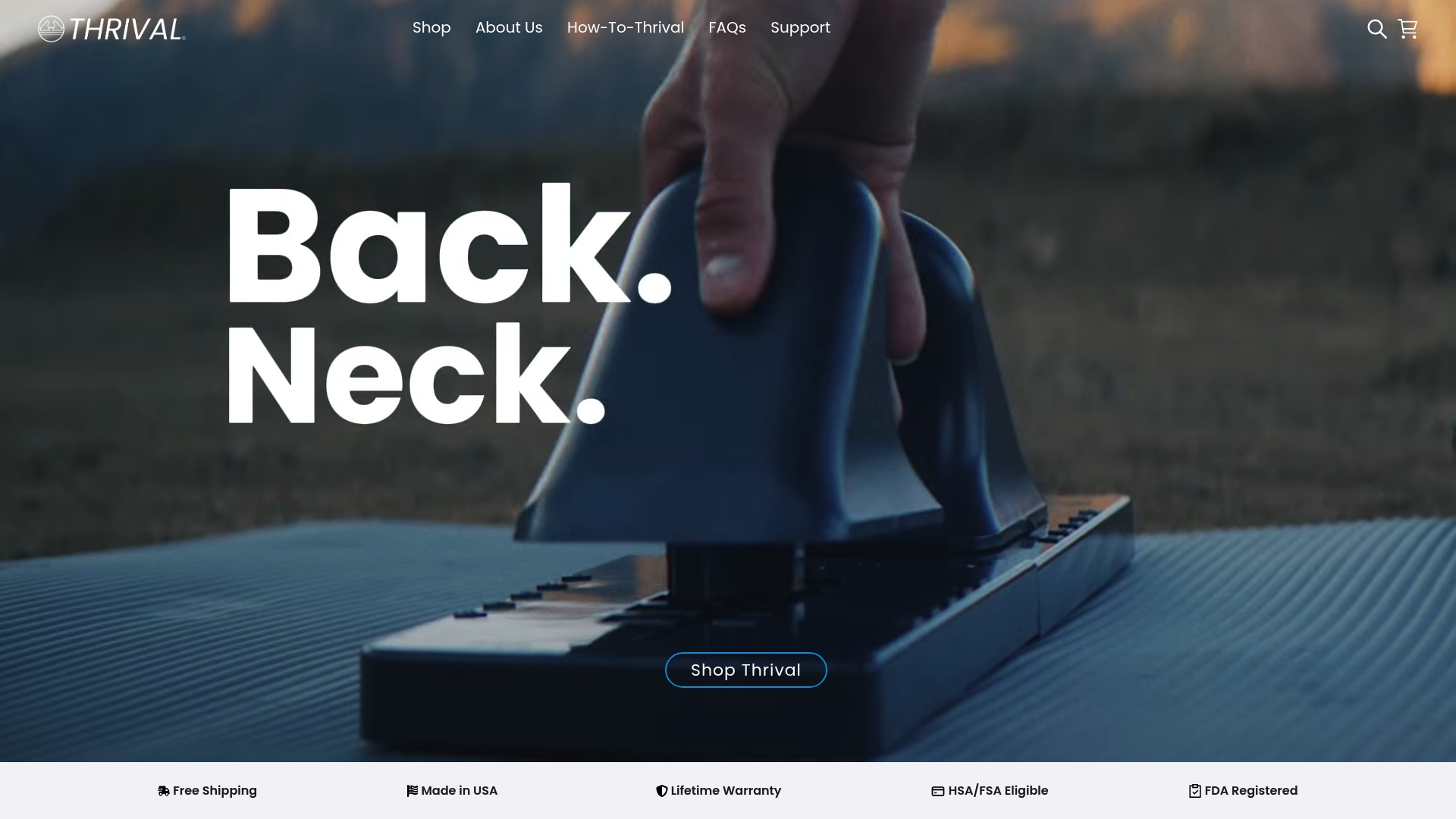
The Thrival Deep Tissue Pro is a non-motorized recovery board built with interchangeable attachments including the Wave, Bullseye, Arch, and Ballhead, each designed to target specific muscle areas like the lower back, glutes, hips, and shoulders. One base board covers the full range of tight spots that contribute to back pain. It is US-manufactured, FDA registered, and backed by a lifetime warranty. Whether you are an athlete managing training load or a desk worker trying to undo eight hours of sitting, the system fits into your recovery routine at home, at the office, or on the road. Explore the full range of muscle recovery tools and find the setup that matches your needs.
Frequently asked questions
Is it safe to exercise with back pain?
Yes, gentle exercises and movement within your pain tolerance are safe and help recovery. Gentle walking and stretching typically help with lower back pain without worsening symptoms, but avoid pushing through severe pain or positions that sharpen discomfort.
How long should I rest during a back pain flare-up?
Limit rest to the first 24 to 48 hours for intense pain, then gradually return to gentle movement. Prolonged bed rest harms recovery; short rest followed by gentle activity is ideal during flare-ups.
Do TENS units cure chronic low back pain?
No. TENS units reduce pain when used properly with adequate intensity as an adjunct to other treatments like exercise. TENS outcomes vary and the devices work best at a clearly perceptible sensory-level intensity, not as a standalone cure.
What type of exercise is most effective for back pain?
Exercises following ACSM guidelines combining moderate aerobic activity, resistance training, and flexibility work are most effective when done consistently. High adherence to ACSM recommendations significantly reduces pain and improves function in low back pain patients.
Can sedentary people benefit from muscle recovery tools?
Yes. Muscle recovery tools like targeted psoas release boards help sedentary individuals relieve the deep hip flexor and glute tightness that builds from prolonged sitting, and they work especially well when paired with short movement breaks throughout the day.