


Athlete recovery tips are evidence-backed practices that accelerate muscle repair, reduce soreness, and improve performance in subsequent training sessions. The best recovery methods for athletes combine sleep optimization, active movement, cold water immersion, targeted nutrition, and nervous system regulation. Each method works through a distinct physiological pathway. Together, they form a complete post-workout recovery strategy that keeps you training harder and staying healthier.
1. How does sleep quality impact athlete recovery?
Sleep is the single most powerful recovery tool available. Athletes need 7–9 hours of sleep per night, and even a modest increase of 46 minutes produces measurable performance gains. That means most athletes are leaving real recovery on the table every night.
The nervous system does its deepest repair work during sleep. Growth hormone release peaks during slow-wave sleep, and muscle protein synthesis accelerates during REM cycles. Cutting sleep short interrupts both processes.
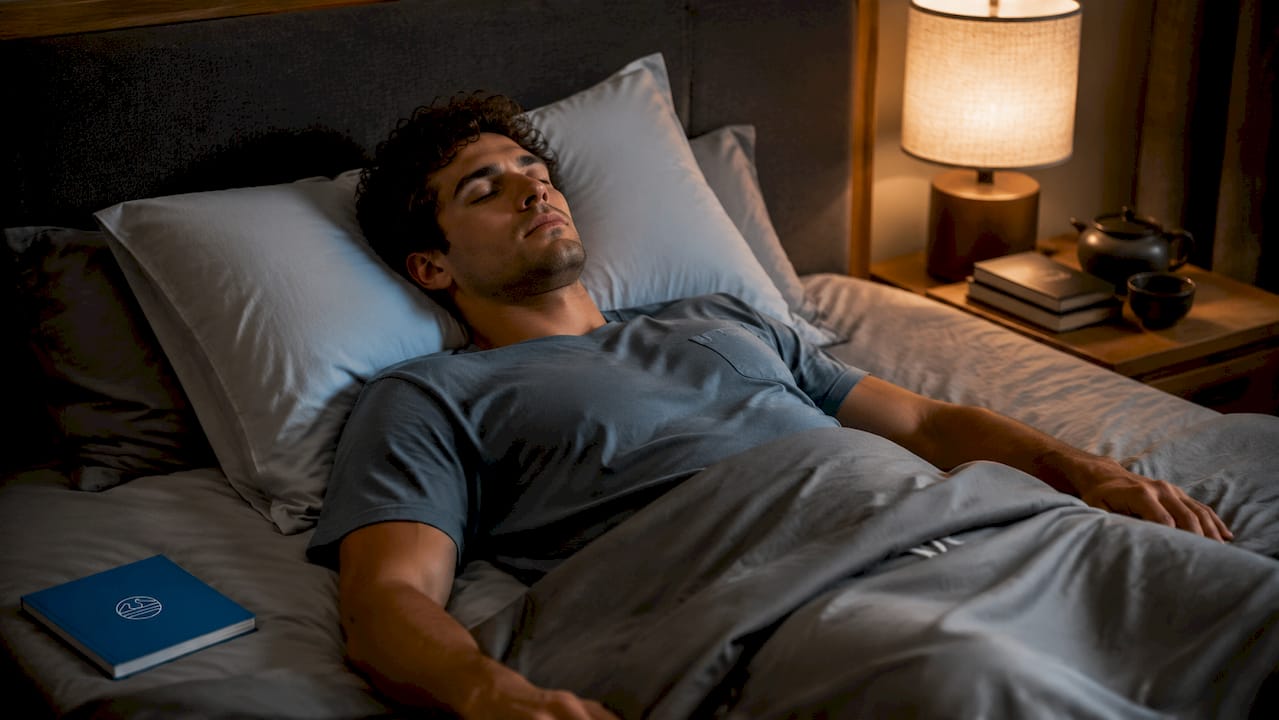
Your sleep environment matters as much as duration. A cool, dark room at 62–68°F supports deeper sleep and faster recovery. Noise, light, and heat all fragment sleep architecture and blunt the hormonal response your body needs.
Key sleep habits for athletes:
- Keep a consistent bedtime and wake time, even on rest days
- Set your room temperature between 62°F and 68°F
- Avoid screens for 30–60 minutes before bed to limit blue light exposure
- Limit caffeine after 2:00 p.m. to protect sleep onset
- Use blackout curtains or a sleep mask if your room gets morning light
Pro Tip: If you can’t add more hours, protect the hours you have. A consistent sleep schedule does more for recovery than any supplement.
2. Why active recovery beats passive rest for muscle repair
Active recovery is defined as low-intensity movement performed on rest days or after training to promote blood flow and reduce muscle soreness. Active recovery accelerates muscle repair by up to 40% compared to complete rest. That gap is too large to ignore.
Light movement flushes metabolic waste products like lactate from muscle tissue. It also delivers fresh oxygen and nutrients to damaged fibers without adding mechanical stress. Passive rest does neither.
The recommended protocol is 20–30 minutes of light movement followed by 10–15 minutes of stretching or foam rolling. Walking, cycling at low resistance, and yoga all qualify. The goal is elevated heart rate without muscle fatigue.
Active recovery sustains power output and delays fatigue better than passive rest across training cycles. Athletes who build active recovery days into their weekly schedule consistently outperform those who simply rest. The difference compounds over months.
Active recovery vs. passive rest: a direct comparison
| Factor | Active recovery | Passive rest |
|---|---|---|
| Blood flow to muscles | Significantly increased | Minimal change |
| Lactate clearance | Accelerated | Slow |
| Muscle repair rate | Up to 40% faster | Baseline |
| Nervous system load | Low | None |
| Performance sustainability | Higher over training cycles | Lower |
Pro Tip: Foam rolling for 10–15 minutes after light movement targets tight muscle spots directly and amplifies the blood flow benefits of active recovery.
3. When and how to use cold water immersion effectively
Cold water immersion is one of the best recovery methods for athletes dealing with acute soreness and fatigue. The standard protocol calls for 10–15 minutes at 50–59°F within 30 minutes of finishing exercise. That timing window matters because inflammation peaks early and cold therapy is most effective when applied before it fully sets in.
Cold immersion reduces delayed onset muscle soreness (DOMS) and lowers perceived fatigue. It constricts blood vessels, which limits swelling in stressed tissue. When you exit the cold, vessels dilate and blood rushes back in, clearing waste products.
The one critical caution: avoid cold water immersion within 4–6 hours of a hypertrophy-focused training session. Cold suppresses the inflammatory response that drives muscle growth. If your goal is building size, cold therapy works against you on those days.
Practical guidelines for cold immersion:
- Use a bathtub filled with cold water and ice, or a dedicated cold plunge tub
- Start with 5 minutes if you are new to cold exposure and build up gradually
- Keep water temperature between 50°F and 59°F for the therapeutic range
- Apply cold therapy after endurance or skill sessions, not after heavy strength work
- Contrast therapy (alternating cold and heat) is a practical alternative when full immersion is not available
Recovery efficacy varies by outcome. Cold compression is best for soreness relief, while far-infrared therapy is better for restoring jump height. Matching the modality to your specific recovery goal produces better results than using one method for everything.
4. How nutrition and hydration support muscle recovery
Nutrition is the raw material your body uses to rebuild after training. Protein intake at 1.6–2.2 g/kg of body weight per day supports muscle protein synthesis. An athlete weighing 80 kg needs 128–176 grams of protein daily to cover repair demands.
Carbohydrates replenish muscle glycogen, which is the primary fuel depleted during training. Consuming carbohydrates within 30–60 minutes post-exercise accelerates glycogen restoration and reduces muscle breakdown. Skipping this window slows recovery noticeably.
Hydration replaces sweat loss and restores electrolyte balance. Post-exercise fluid replacement should include sodium and potassium to support cellular function and prevent cramping. Plain water alone is insufficient after heavy sweating.
Anti-inflammatory foods add a meaningful recovery edge:
- Tart cherries: Contain anthocyanins that reduce muscle soreness and inflammation
- Fatty fish (salmon, mackerel): High in omega-3 fatty acids that lower systemic inflammation
- Beets: Improve blood flow and reduce exercise-induced oxidative stress
- Ginger: Reduces muscle pain when consumed regularly around training
- Leafy greens: Provide magnesium, which supports muscle relaxation and sleep quality
5. What role do breathing and nervous system management play in recovery?
The nervous system controls how fast your body shifts from a stressed state to a recovery state. After hard training, the sympathetic nervous system (fight-or-flight) stays elevated. Recovery only accelerates once the parasympathetic system (rest-and-digest) takes over.
Box breathing, using 4-count cycles, lowers heart rate and cortisol after training. The pattern is simple: inhale for 4 counts, hold for 4, exhale for 4, hold for 4. Repeating this for 5–10 minutes after a session actively shifts your physiology toward recovery mode.
Parasympathetic activation through breathing is a critical but often overlooked recovery skill. Most athletes focus entirely on physical modalities and ignore the neurological side of recovery. Breathing practice costs nothing and takes less than 10 minutes.
Breathing techniques also improve sleep quality when practiced before bed. Lower cortisol at bedtime means faster sleep onset and deeper slow-wave sleep. That compounds the recovery benefits described in the sleep section above.
Pro Tip: Add 5 minutes of box breathing immediately after your cooldown. Pair it with soft tissue therapy to address both the neurological and muscular sides of recovery at the same time.
6. How to match recovery methods to your specific training goals
Recovery success depends on targeted application. Use ice and compression for acute soreness after high-intensity sessions. Use heat and movement for chronic stiffness or tightness that builds over a training block.
Athletes focused on hypertrophy should prioritize sleep, protein, and active recovery over cold immersion. Cold therapy suppresses the inflammatory signaling that drives muscle growth. Endurance athletes, by contrast, benefit more from cold immersion and carbohydrate timing because their recovery demands center on glycogen and inflammation management.
Recovery gear yields poor returns if foundational sleep and nutrition are neglected first. No massage tool, compression sleeve, or cold plunge replaces 8 hours of sleep and adequate protein. Build the foundation before adding advanced modalities.
Personalizing your athlete recovery routine guide means auditing your current habits honestly. Most athletes are under-sleeping and under-eating protein before they ever need to think about cold plunges or breathing protocols.
Key takeaways
The most effective athlete recovery routine combines sleep, active movement, targeted nutrition, and nervous system regulation because no single method addresses all recovery pathways.
| Point | Details |
|---|---|
| Sleep is the foundation | Aim for 7–9 hours nightly in a cool, dark room at 62–68°F. |
| Active recovery beats rest | Light movement plus foam rolling accelerates muscle repair by up to 40%. |
| Cold immersion has limits | Skip cold therapy within 4–6 hours of hypertrophy training to protect muscle growth. |
| Nutrition drives repair | Consume 1.6–2.2 g/kg of protein daily and prioritize carbs within 60 minutes post-exercise. |
| Breathing shifts recovery state | Box breathing (4-count cycles) lowers cortisol and activates parasympathetic recovery. |
Recovery philosophy: what I’ve learned after years of watching athletes get this wrong
Most athletes treat recovery as optional. They train hard, sleep poorly, eat inconsistently, and then wonder why they plateau or get hurt. The pattern is predictable and preventable.
The athletes who recover best are not the ones with the most expensive gear. They are the ones who protect their sleep like a training session. They eat enough protein without overthinking it. They move on rest days instead of collapsing on the couch.
Advanced modalities like cold plunges and breathing protocols are genuinely useful. But they work as multipliers on a solid foundation, not as replacements for one. I have seen athletes spend hundreds of dollars on recovery tools while sleeping 5 hours a night. The tools do almost nothing in that context.
My honest advice: fix your sleep and protein intake first. Add active recovery second. Then, once those habits are consistent, layer in cold therapy, breathing work, and targeted soft tissue tools based on your specific goals and training phase. Personalization matters, but only after the basics are locked in.
— Cameron
Thrival’s tools for your post-workout recovery routine
Athletes who have their sleep and nutrition dialed in often hit a ceiling with soft tissue tightness and localized muscle soreness. That is where targeted deep tissue work fills the gap.
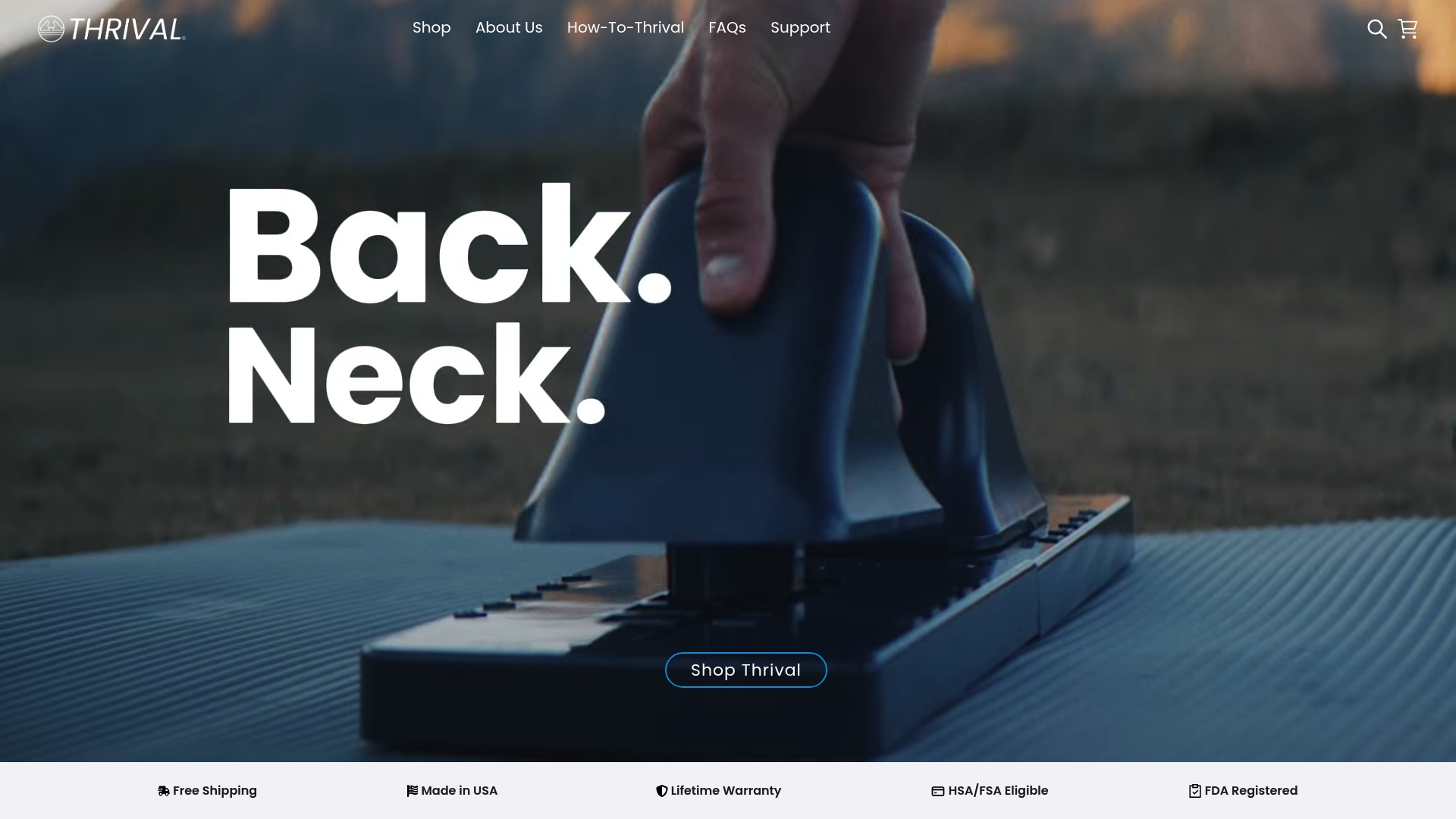
Thrival makes a non-motorized deep tissue recovery system built around a single base board with interchangeable attachments. The Thrival Wave, Bullseye, Arch, and Ballhead attachments each target different muscle groups, from the back and hips to the neck and shoulders. The system is manufactured in the USA, FDA registered, and backed by a lifetime warranty. Thrival also includes a dedicated app with guided routines so you know exactly how to use each attachment for maximum muscle release. For athletes serious about muscle recovery tools, it is a practical, durable addition to any recovery routine.
FAQ
How many hours of sleep do athletes need for recovery?
Athletes need 7–9 hours of sleep per night. Even a 46-minute increase in sleep duration produces measurable performance improvements.
Is active recovery better than complete rest?
Active recovery accelerates muscle repair by up to 40% compared to complete rest. Light movement for 20–30 minutes plus 10–15 minutes of stretching or foam rolling is the recommended protocol.
When should athletes avoid cold water immersion?
Avoid cold water immersion within 4–6 hours of hypertrophy-focused training. Cold therapy suppresses the inflammatory response that drives muscle growth, which works against size-building goals.
How much protein do athletes need for muscle repair?
Athletes need 1.6–2.2 grams of protein per kilogram of body weight per day to support muscle protein synthesis and repair after training.
What is box breathing and how does it help recovery?
Box breathing uses 4-count inhale, hold, exhale, and hold cycles to lower heart rate and cortisol after training. It shifts the nervous system toward a parasympathetic state, which is the physiological condition required for effective recovery.