


Sports rehabilitation is the targeted therapeutic process designed to restore physical function and facilitate a safe return to activity after sports-related injuries. Known formally as sports physical therapy, it addresses everything from ankle sprains and muscle strains to post-surgical recovery following ACL reconstruction. Unlike general physical therapy, sports rehab uses sport-specific protocols, biomechanical assessment, and evidence-based frameworks like PEACE and LOVE to guide athletes through a structured, progressive recovery. The goal is not just pain relief. It is full restoration of strength, mobility, and confidence so you can return to the activity you love without risking reinjury.
What is sports rehabilitation and how does it work?
Sports rehabilitation is a specialized, individualized process that combines therapeutic exercise, manual therapy, neuromuscular re-education, and sport-specific training to address the root causes of an injury. It does not treat symptoms in isolation. A qualified sports physical therapist assesses your movement patterns, identifies biomechanical flaws, and builds a program around your specific injury and athletic demands.
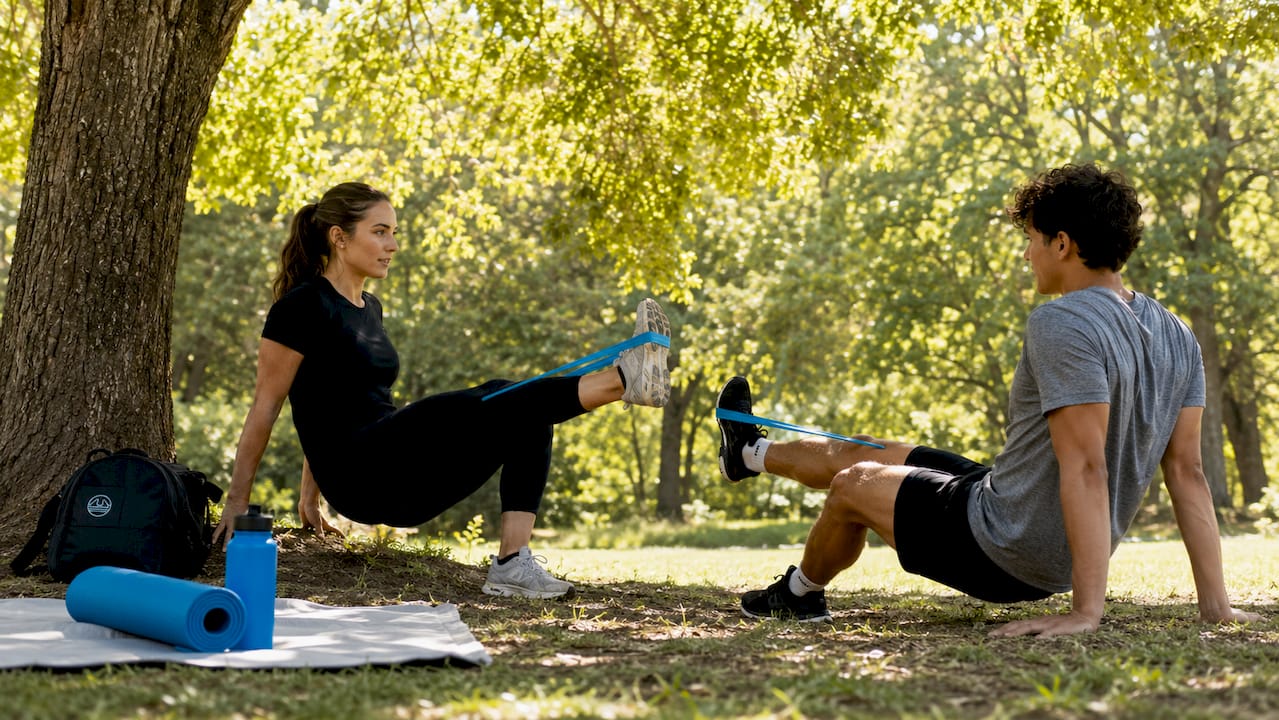
The process is phased and progressive. Each phase builds on the last, and progression depends on objective criteria, not just how you feel. This structure is what separates sports rehab from simply “resting and hoping for the best.” The Ohio State Wexner Medical Center describes sports physical therapy as a process that addresses underlying movement imbalances causing injury, not just the injury itself.
What stages are involved in the sports rehabilitation process?
The athletic rehabilitation process follows four distinct phases. Each phase has a clear purpose, a target timeline, and specific activities.
-
Phase 1: Acute management (weeks 1–2). The priority is controlling pain and swelling while preserving early movement. Early controlled movement prevents stiffness and muscle atrophy by stimulating blood flow to damaged tissue. Complete rest is no longer recommended by clinical guidelines. Gentle range-of-motion work and weight-bearing activities begin as soon as tolerated.
-
Phase 2: Initial rehabilitation (weeks 2–6). Strength rebuilding and full range of motion become the focus. Exercises target the injured area and the surrounding muscle groups that support it. Manual therapy and neuromuscular re-education help restore proper movement patterns.
-
Phase 3: Functional conditioning (weeks 6–12). Sport-specific drills, plyometrics, agility work, and cardiovascular conditioning return here. The athlete practices movements that replicate the demands of their sport at controlled intensity. Balance and coordination training are central to this phase.
-
Phase 4: Return to play (week 12 onward). Medical clearance, functional testing, and a graduated return-to-play protocol at 25%, 50%, 75%, and 100% intensity over four weeks define this phase. No athlete advances without meeting objective benchmarks.
Typical timelines by injury severity
| Injury severity | Estimated return-to-sport timeline |
|---|---|
| Mild sprain or strain | 3–6 weeks |
| Moderate ligament or muscle injury | 2–3 months |
| Severe tear or post-surgical case | 4–6 months or longer |
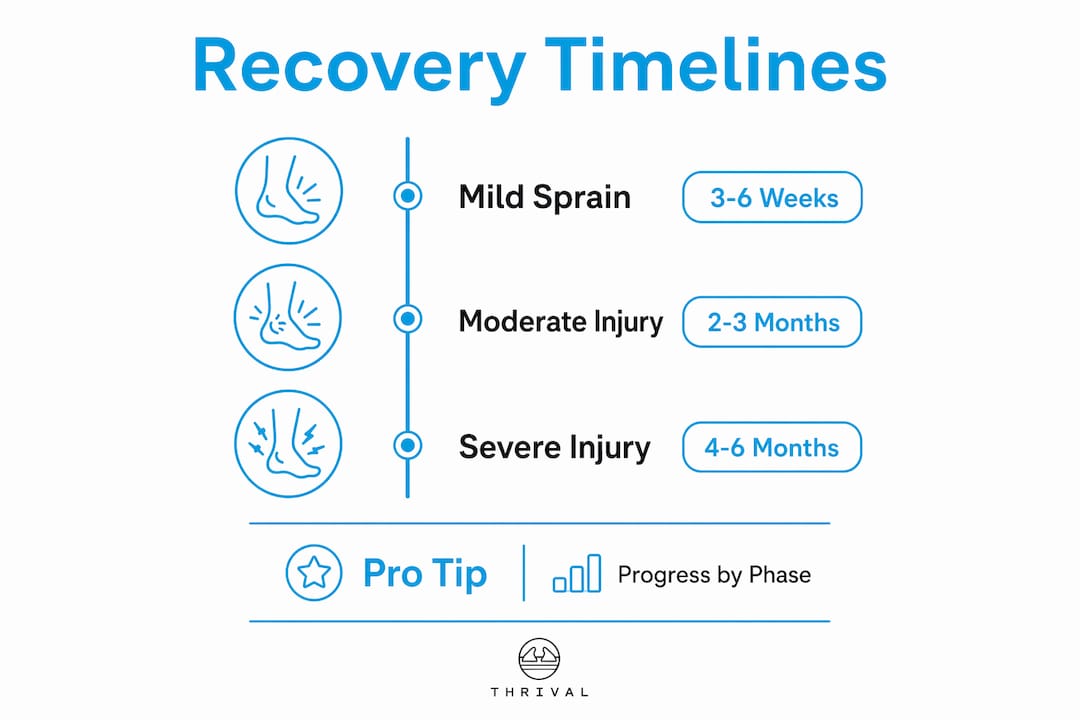
Pro Tip: Track your progress by phase, not by calendar date. Two athletes with the same injury can have very different timelines based on age, fitness level, and adherence to the program.
How does sports rehab differ from general physiotherapy?
Sports rehabilitation and general physiotherapy share tools, but they serve different populations and goals. General physiotherapy addresses a broad range of conditions, from post-stroke mobility to chronic back pain in sedentary patients. Sports rehab focuses specifically on athletes and active individuals, with the end goal of returning to high-demand physical activity.
The techniques used in sports rehab reflect that difference. A sports physical therapist uses:
- Biomechanical assessment to identify movement faults that caused or contributed to the injury
- Manual therapy including joint mobilization and soft tissue work to restore mobility
- Neuromuscular re-education to retrain the nervous system to activate muscles correctly
- Balance and agility drills that replicate sport-specific movement demands
- Sport-specific progressions that gradually reintroduce the loads and speeds of competition
The framework guiding modern sports injury recovery has also shifted. The older RICE protocol (rest, ice, compression, elevation) and PRICE have been replaced by PEACE and LOVE, which prioritizes protection, elevation, avoiding anti-inflammatories early, compression, and education, followed by load, optimism, vascularization, and exercise. Research comparing these frameworks in adolescent lateral ankle sprains found no significant difference in isokinetic strength, range of motion, or dynamic balance outcomes over 12–15 weeks. The active approach works just as well and avoids the downsides of prolonged rest.
Sports rehab also involves collaboration with coaches and the broader medical team. That coordination ensures the athlete’s return to training aligns with both clinical readiness and sport-specific demands.
What are the benefits of sports rehabilitation beyond injury recovery?
The benefits of sports rehabilitation extend well past healing a specific injury. A structured program addresses the full picture of athletic health.
- Strength and flexibility gains. Rehab rebuilds not just the injured area but the entire kinetic chain. Athletes often finish rehab stronger than before their injury.
- Biomechanical correction. Pre-season screening identifies muscle imbalances and movement faults before they cause injury. Correcting these proactively reduces future injury risk.
- Injury prevention. Elite athletes use rehab-based conditioning programs to address asymmetries that predict injury. This is sometimes called prehabilitation.
- Psychological readiness. Regaining confidence is as critical as regaining strength. Structured, evidence-based programs outperform unguided recovery in both mental and physical outcomes. Fear-based movement limitations after injury are real and can persist long after tissue healing is complete.
- Long-term health maintenance. Sports rehab teaches athletes how to manage load, monitor fatigue, and maintain mobility. Those habits support an active lifestyle well beyond the injury episode.
The importance of sports rehab is not limited to competitive athletes. Recreational runners, weekend soccer players, and active adults all benefit from the same structured approach to recovery and prevention.
Pro Tip: Ask your sports physical therapist to include a movement screen at the end of your program. Identifying new asymmetries before you return to full training is one of the most effective injury prevention steps you can take.
How is functional readiness assessed before return to sport?
Feeling pain-free is not the same as being ready to compete. Functional readiness requires meeting objective criteria across strength, movement quality, and psychological confidence before full return to sport.
The standard benchmarks include:
| Readiness criterion | What it measures |
|---|---|
| 90%+ strength symmetry | Injured limb strength compared to the uninjured side |
| Sport-specific agility tests | Speed, change of direction, and reactive movement |
| Absence of pain at high intensity | No pain during sprinting, jumping, or cutting movements |
| Psychological readiness | Confidence to perform without fear of reinjury |
| Graduated intensity clearance | Completion of 25%, 50%, 75%, and 100% intensity sessions |
Skipping these benchmarks increases reinjury risk significantly. Objective functional testing and a stepwise return protocol are not optional extras. They are the mechanism that makes return-to-sport safe. Athletes who return based on time alone, rather than functional criteria, face a higher likelihood of reinjury at the same site.
The graduated return protocol works in four weekly steps. Week one is 25% intensity training. Week two moves to 50%. Week three reaches 75%. Full return at 100% comes only in week four, and only if each prior step was completed without pain or compensation patterns.
A soft tissue care checklist can help you track readiness criteria between clinical appointments and stay accountable to your program.
Key Takeaways
Sports rehabilitation is a phased, evidence-based process that restores physical function, corrects biomechanical faults, and builds psychological readiness for a safe return to sport.
| Point | Details |
|---|---|
| Four-phase structure | Rehab progresses from acute management through functional conditioning to graduated return to play. |
| Active recovery over rest | Early controlled movement prevents atrophy and promotes healing better than complete immobility. |
| PEACE and LOVE framework | Modern protocols replace RICE and prioritize load, optimism, and exercise for better outcomes. |
| Functional testing required | Athletes need 90%+ strength symmetry and sport-specific clearance before full return to sport. |
| Benefits beyond recovery | Sports rehab corrects biomechanical flaws, builds confidence, and reduces future injury risk. |
Why I think most athletes misunderstand what “recovered” actually means
The single most common mistake I see is athletes treating pain-free movement as the finish line. It is not. Pain disappears well before tissue fully heals and before the neuromuscular system has relearned how to handle sport-specific loads. Returning to full training at that point is not confidence. It is a gamble.
The shift from rest-based to active recovery has been one of the most meaningful changes in sports medicine over the past decade. The old instinct to immobilize and wait has been replaced by controlled loading from day one. That shift is backed by solid evidence, and it changes outcomes. But it also demands more from athletes. Active recovery requires showing up, doing the work, and trusting a process that sometimes feels slower than it should.
What I find most underappreciated is the psychological component. An athlete can pass every strength test and still move with hesitation, guarding the injured side unconsciously. That hesitation changes mechanics and creates new injury risk. Addressing confidence directly, through graduated exposure and mental rehearsal, is not a soft add-on. It is a clinical necessity.
The athletes who recover best are the ones who treat rehab as training, not as a waiting room. They track their benchmarks, communicate with their therapist and coach, and resist the urge to skip the graduated return protocol because they “feel fine.” Feeling fine is a starting point, not a clearance.
— Cameron
Thrival recovery tools that support your rehab between sessions
Professional sports rehabilitation happens in the clinic, but recovery happens around the clock. The work you do between sessions, managing muscle tension, maintaining mobility, and releasing tight spots, directly affects how fast you progress through each phase.
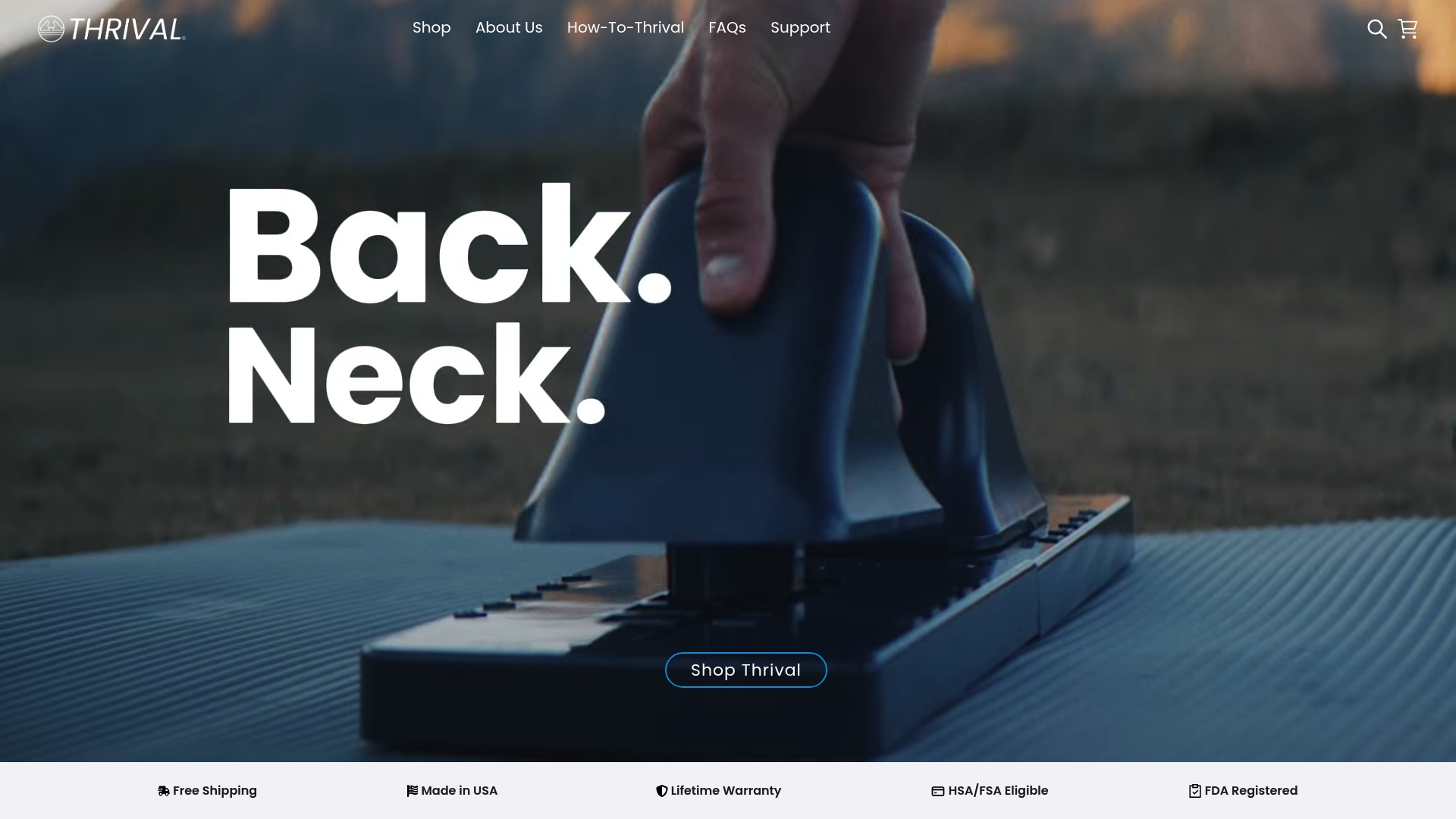
The Thrival Deep Tissue Pro is a non-motorized, US-manufactured deep tissue massage system built for targeted muscle release. The base board accepts four interchangeable attachments, including the Thrival Wave, Bullseye, Arch, and Ballhead, so you can address specific muscle groups across the back, hips, neck, and shoulders. It is FDA-registered, backed by a lifetime warranty, and ships free. For athletes working through a structured rehab program, the Thrival system gives you a professional-grade muscle recovery tool you can use at home, on your schedule, every day.
FAQ
What is sports rehabilitation in simple terms?
Sports rehabilitation is a structured, therapist-guided process that helps athletes and active individuals recover from injuries, restore full movement, and safely return to sport. It combines exercise, manual therapy, and sport-specific training in progressive phases.
How long does sports injury recovery typically take?
Recovery timelines depend on injury severity. Mild sprains resolve in 3–6 weeks, moderate injuries take 2–3 months, and severe tears or post-surgical cases require 4–6 months or longer before return-to-sport clearance.
What does sports rehab involve on a typical visit?
A typical session includes movement assessment, therapeutic exercise, manual therapy, and sport-specific drills tailored to your current phase. Your therapist tracks objective benchmarks like strength symmetry and range of motion to guide progression.
Is sports rehabilitation only for professional athletes?
Sports rehabilitation benefits anyone who is physically active, including recreational athletes, weekend warriors, and active adults. The same evidence-based protocols apply regardless of competition level.
When is it safe to return to sport after an injury?
Return to sport requires meeting objective criteria: 90%+ strength symmetry compared to the uninjured side, passing sport-specific agility tests, absence of pain at high intensity, and completing a graduated return protocol at 25%, 50%, 75%, and 100% intensity over four weeks.