


The most effective active recovery keeps your heart rate at 30–60% of your maximum, uses movement patterns different from your primary training, and pairs low-intensity activity with targeted muscle release tools. Done right, recovery sessions should feel restorative, not exhausting. Here is what that looks like in practice:
- Keep intensity low enough to pass the talk test: you can hold a full conversation while moving
- Prioritize shifting your nervous system from a high-cortisol state into parasympathetic “rest and digest” mode
- Add mobility work and light self-massage while muscles are still warm
- Use specialized muscle therapy tools to reach tight spots that movement alone cannot address
- Monitor how you feel the next training day and adjust intensity if soreness or fatigue lingers
Table of Contents
- 1. What are the best active recovery activities for circulation?
- 2. Why shifting to “rest and digest” mode accelerates healing
- 3. How to incorporate mobility work and targeted muscle release
- 4. How Thrival’s muscle therapy tools enhance your recovery
- 5. Nutrition and hydration to support recovery
- Thrival gives you professional-grade recovery at home
- Key takeaways
1. What are the best active recovery activities for circulation?
Walking, cycling, swimming, yoga, and light bodyweight circuits are the most reliable options. Each promotes blood flow without loading the joints or taxing the same tissues your last workout stressed.
The talk test is your simplest intensity gauge. If you lose your breath mid-sentence, slow down. Research shows that a short duration of easy movement after training consistently produces positive effects of positive performance effects, making even a short walk a legitimate recovery session.
Vary your movement patterns deliberately. Using different patterns than your primary sport offloads joint stress and prevents overuse, which is why a runner benefits more from cycling or swimming than from an easy jog on a rest day.
Precautions to keep in mind:
- Skip active recovery if you are injured, sick, or running a fever
- Avoid the same repetitive movements you performed during training
- Stop if pain sharpens or moves beyond normal muscle soreness
- Beginners should start with short sessions and build gradually
2. Why shifting to “rest and digest” mode accelerates healing
High-intensity effort keeps cortisol elevated, and elevated cortisol actively slows tissue repair. Getting your nervous system out of that sympathetic “fight or flight” state is not optional for recovery. It is the mechanism.
“Athletes must shift from a high-cortisol, stressful state into a ‘rest and digest’ parasympathetic state to heal effectively,” according to physical therapist Jessica Yeaton at UCHealth. Consciously activating that shift through breathwork and gentle movement is what separates productive recovery from just going through the motions.
Deep diaphragmatic breathing is the fastest practical tool for this shift. Inhale for four counts, hold briefly, exhale for six. Pairing that breath pattern with targeted muscle release accelerates parasympathetic activation beyond what movement alone achieves. Keep recovery sessions genuinely easy. When active recovery is too intense, it adds fatigue rather than reducing it, defeating the purpose entirely.
3. How to incorporate mobility work and targeted muscle release
Active recovery is the ideal window for mobility work because muscles are already warm and more pliable, which reduces injury risk and makes stretching more effective. A five-minute cool-down stretch immediately after training reaches tissues that a cold-muscle stretch the next morning simply cannot.
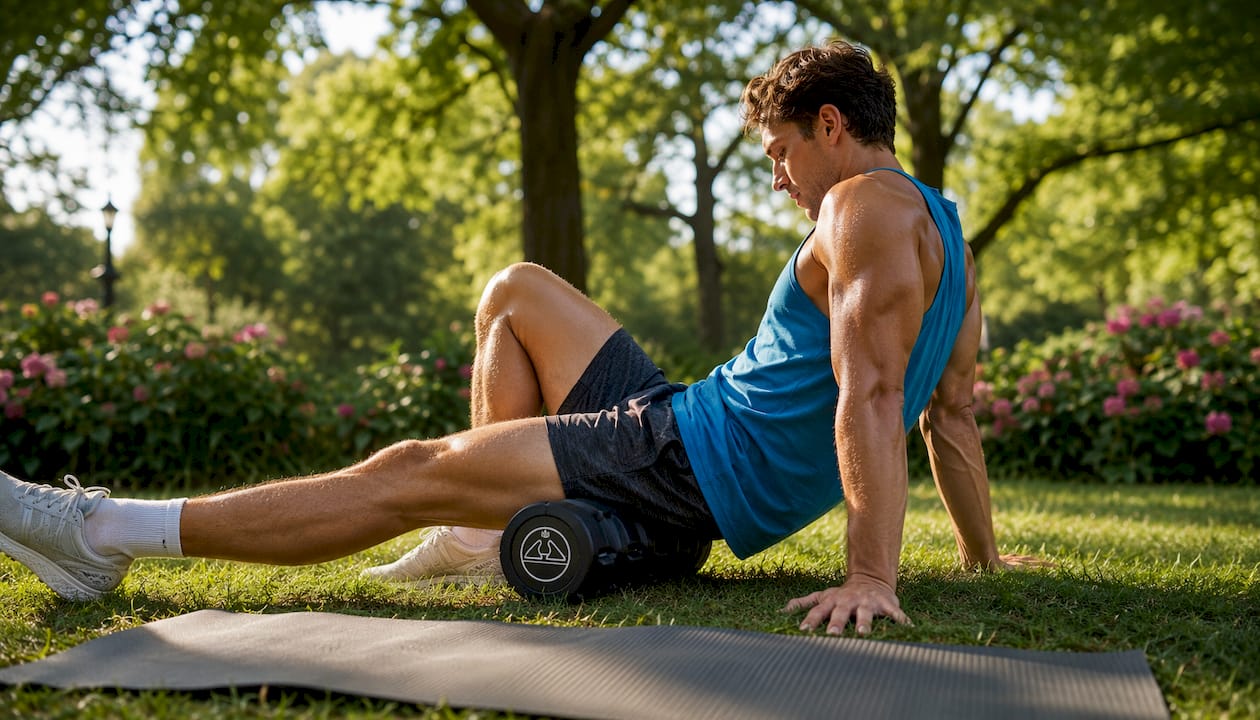
For self-massage, lighter pressure is the right call. Foam rolling with light pressure reduces delayed onset muscle soreness and promotes blood flow without causing microtrauma to already-inflamed tissue. Avoid pressing hard on acutely sore or swollen areas.
Mobility and release guidelines:
- Hold each stretch 30 seconds to 1 minute; ease in, never force
- Use a foam roller or massage tool slowly, pausing on tight spots for up to 2 minutes
- Avoid direct pressure on bones, joints, or visibly swollen tissue
- Target hip flexors, calves, thoracic spine, and shoulders after most training sessions
Pro Tip: Schedule mobility work within 30 minutes of finishing your training session, while tissue temperature is still elevated. That window produces noticeably better range-of-motion gains than waiting until the next day.
You can also learn more about mobility and recovery and how these practices support long-term physical health.
4. How Thrival’s muscle therapy tools enhance your recovery
Thrival builds professional-grade, non-motorized muscle recovery tools designed for targeted release across the back, hips, neck, and shoulders. The system uses one base board with insertion crosses, letting you swap four specialized attachments based on the muscle group you are working.
!
The four attachments and what they do:
- Thrival Ballhead Attachment: Replicates the classic lacrosse ball effect for precise trigger point release on dense muscle groups like the glutes and upper back
- Thrival Arch Attachment: Contours to the spine for spinal decompression and deep paraspinal release without requiring a partner
- Thrival Wave Attachment: Covers broader surface areas across the mid-back and shoulders, ideal for general tissue flushing during recovery sessions
- Thrival Bullseye Attachment: Concentrates pressure on a single tight spot, useful for stubborn knots in the neck, hips, and lower back
Thrival’s tools are FDA-registered, manufactured in the United States, and backed by a lifetime warranty. Professional athletes and physical therapy clients alike use them as a structured part of their post-workout routine, not as an afterthought.
Pro Tip: Use the Thrival Arch Attachment immediately after your cool-down walk or cycling session, while your paraspinal muscles are still warm. Two minutes of sustained contact on each thoracic segment produces noticeably faster tension release than cold application.
Pair Thrival’s tools with the active release techniques used in clinical physical therapy settings for a complete soft tissue approach. For guidance on how these tools fit into a broader recovery plan, Thrival’s muscle therapy tips resource covers practical application in detail.
5. Nutrition and hydration to support recovery
Proper hydration and electrolyte replenishment after exercise prevent cramping and fatigue, two of the most common reasons recovery sessions feel harder than they should. Water is the starting point; sodium, potassium, and magnesium replace what sweat removes.
Protein within the hour after training gives muscles the raw material for repair. At least 20 grams from eggs, fish, chicken, or a quality protein shake covers the minimum. Carbohydrates replenish glycogen, particularly after aerobic sessions lasting more than 45 minutes.
Thrival gives you professional-grade recovery at home
Most athletes know what good recovery looks like in theory. Getting there consistently is the harder part, especially when the tools available do not match the demand.
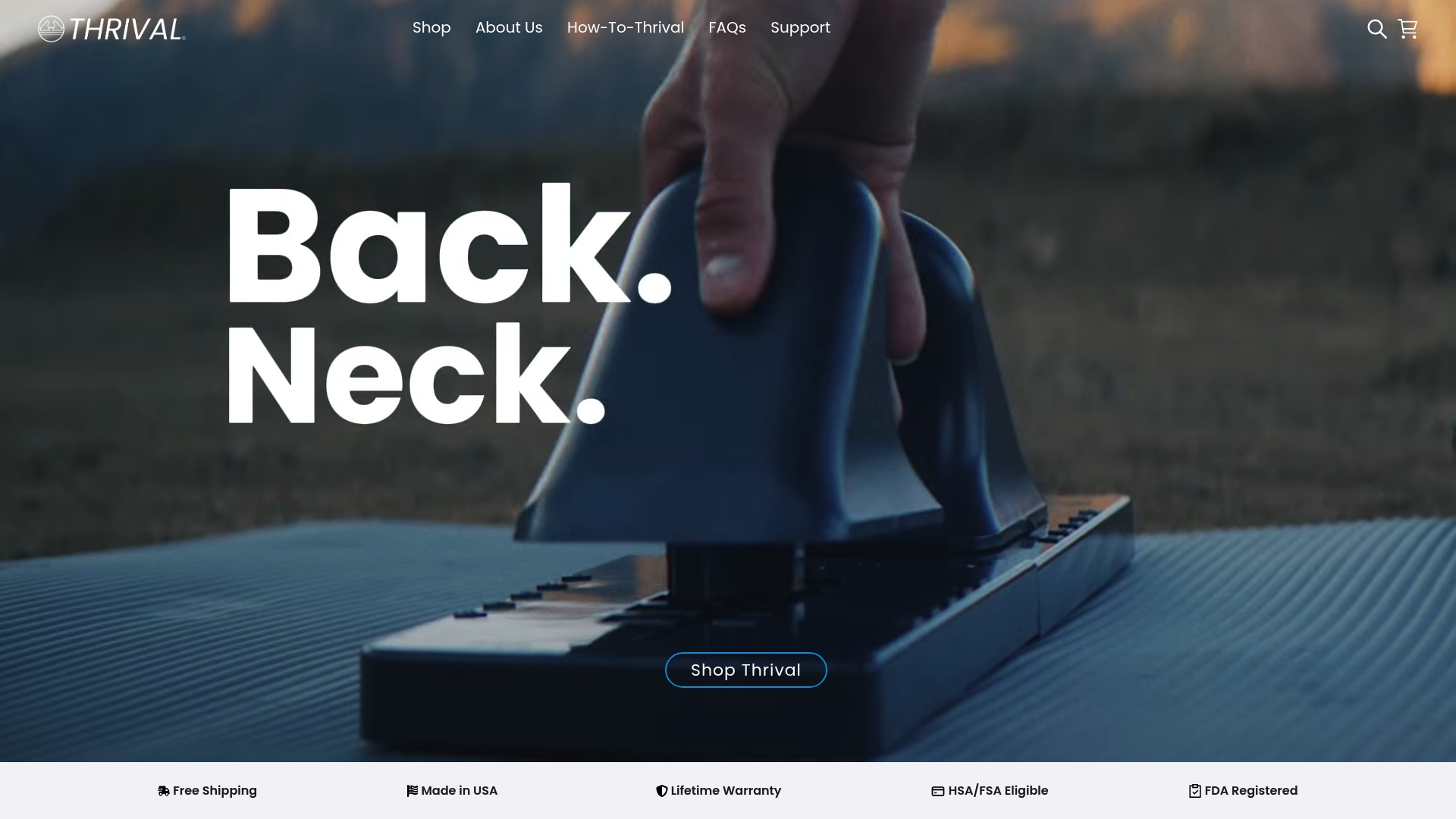
Thrival’s recovery system closes that gap. The base board and four interchangeable attachments, the Ballhead, Arch, Wave, and Bullseye, give you clinical-level targeted release without a clinic appointment. Every unit ships free, carries a lifetime warranty, and is FDA-registered. Browse the full Thrival recovery system and find the attachment that fits your specific pain point.
Key takeaways
Active recovery works best when low-intensity movement, nervous system downregulation, targeted muscle release, and proper nutrition are combined rather than treated as separate habits.
| Point | Details |
|---|---|
| Intensity ceiling | Keep heart rate below 60% of maximum; use the talk test as your real-time check. |
| Session duration | Research shows a short duration of easy movement after training consistently produces positive effects; easy post-workout movement consistently improves next-session performance. |
| Nervous system shift | Diaphragmatic breathing combined with muscle release activates parasympathetic recovery faster than movement alone. |
| Mobility timing | Stretch and use release tools within 30 minutes of training, while muscles are still warm, for the best range-of-motion gains. |
| Thrival tools | The Ballhead, Arch, Wave, and Bullseye attachments deliver targeted muscle therapy at home, backed by a lifetime warranty and FDA registration. |