


Effective pain relief for athletes is defined by a system, not a single fix. The most successful athlete pain management protocols combine consistent nutrition, quality sleep, and symptom-targeted therapies into one repeatable routine. Research confirms that protein intake of 1.6–2.2g/kg daily supports muscle protein synthesis, while sleep of 7–9 hours nightly drives tissue repair and hormone regulation. Matching the right modality to the right symptom, cold for acute soreness and heat for stiffness, is what separates athletes who recover fast from those who stay sore for days.
1. Pain relief tips for athletes start with nutrition
Nutrition is the foundation of muscle recovery. Without adequate fuel, your body cannot repair damaged tissue, no matter how many ice baths or foam rolling sessions you add.
Protein and carbohydrate timing are the two most critical nutrition variables for reducing soreness. Athletes need 1.6–2.2g of protein per kilogram of body weight daily to support muscle protein synthesis. Carbohydrate intake of 1.0–1.2g/kg within the first hour post-exercise replenishes glycogen stores and reduces the inflammatory response that causes pain.
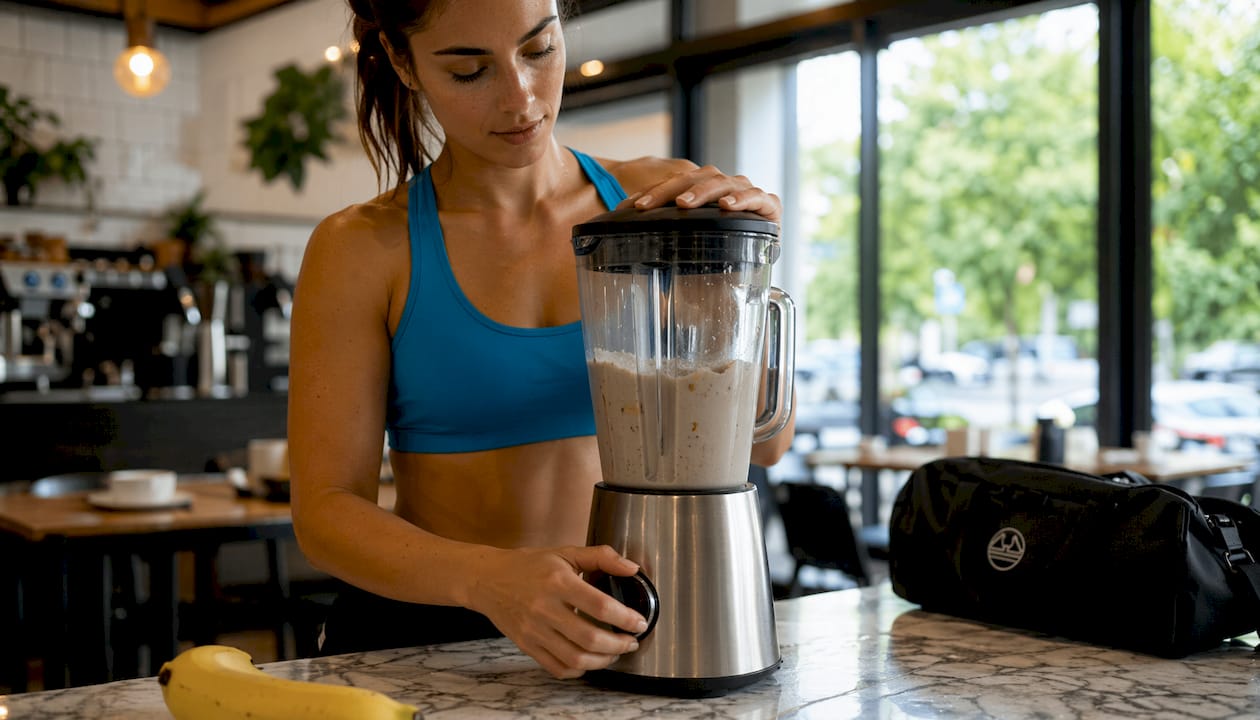
Hydration is equally non-negotiable. Target 35–40mL of fluid per kilogram of body weight daily, and replace electrolytes lost through sweat, specifically sodium, potassium, and magnesium. Dehydration over 2% of body weight impairs performance and amplifies soreness perception. That means a 180-pound athlete losing just 3.6 pounds of sweat without replacing fluids will feel more pain than necessary.
Pro Tip: Mix a post-workout shake with 30–40g of protein and a banana within 30 minutes of finishing training. This covers both your protein and fast-digesting carbohydrate needs in one step.
Here is a quick reference for post-workout nutrition targets:
| Nutrient | Target | Timing |
|---|---|---|
| Protein | 1.6–2.2g/kg/day | Throughout the day, prioritize post-workout |
| Carbohydrates | 1.0–1.2g/kg | Within the first hour post-exercise |
| Fluids | 35–40mL/kg/day | Ongoing, increase with sweat loss |
| Electrolytes | Sodium, potassium, magnesium | During and after training |
2. How sleep drives muscle repair and reduces pain
Sleep is the most underrated recovery tool available to athletes. During deep sleep, the body releases growth hormone, repairs micro-tears in muscle fibers, and regulates inflammatory markers that directly affect pain levels.
Athletes need 7–9 hours of sleep nightly, with 9–10 hours recommended after particularly intense sessions. Consistent bed and wake times matter as much as total duration. Irregular sleep schedules disrupt circadian rhythms and reduce the quality of restorative deep sleep stages.
Sleep deprivation increases systemic inflammation and lowers pain thresholds. An athlete sleeping 5–6 hours will perceive the same workout as more painful than one sleeping 8 hours. The environment matters too: a cool, dark room improves sleep onset and depth.
- Aim for 7–9 hours every night, and 9–10 after heavy training days
- Keep your bed and wake times consistent, even on weekends
- Set your room temperature between 65–68°F for optimal sleep quality
- Avoid screens for 30–60 minutes before bed to support natural melatonin production
- Use blackout curtains or a sleep mask to eliminate light disruption
Pro Tip: Set a “wind-down alarm” 45 minutes before your target sleep time. Use that window to dim lights, put your phone away, and do light stretching. Athletes who build this habit consistently report falling asleep faster and waking with less stiffness.
3. Cold therapy: when and how to use it correctly
Cold therapy is one of the most effective natural pain relief methods for acute muscle soreness, but timing and frequency determine whether it helps or hurts your progress.
Cold water immersion for 10–15 minutes at 11–15°C, performed within 30 minutes after intense exercise, effectively reduces delayed onset muscle soreness (DOMS). The cold constricts blood vessels, reduces swelling, and numbs acute pain signals. Ice packs applied to specific joints or muscle groups work on the same principle for localized relief.
The critical caveat: frequent cold exposure post-training can blunt strength and hypertrophy adaptations. This means using cold therapy every day after every workout is counterproductive for athletes focused on building muscle. Reserve it for competition periods, high-volume training blocks, or genuinely acute soreness.
Pro Tip: Use cold therapy strategically around competition, not as a daily habit. Save it for the 48 hours after your hardest training sessions or events, and let natural recovery processes work the rest of the time.
4. Heat therapy: the right tool for stiffness and chronic soreness
Heat therapy works through a completely different mechanism than cold. Where cold reduces inflammation, heat increases blood flow, relaxes tight muscle fibers, and improves tissue extensibility.
Heat is most effective for chronic muscle stiffness and the “rusty” sensation athletes feel 48–72 hours after a hard session. Warm baths, heating pads, and heat wraps all deliver this effect. Applying heat before a workout or mobility session also helps muscles move more freely and reduces injury risk.
The key distinction is symptom type. Fresh, tender, swollen muscle tissue needs cold. Stiff, tight, non-inflamed tissue responds better to heat. Applying heat to an acutely inflamed area worsens swelling and delays recovery.
| Symptom | Best Therapy | Timing |
|---|---|---|
| Acute soreness, swelling, tenderness | Cold (ice packs, cold water immersion) | Within 30 min post-exercise |
| Stiffness, tightness, “rusty” feeling | Heat (warm bath, heating pad) | 48–72 hours post-exercise or pre-workout |
| Chronic muscle tension | Heat | Before movement or mobility work |
| Post-competition full-body fatigue | Cold water immersion | Immediately post-competition |
5. Active recovery: why light movement beats complete rest
Complete rest after hard training feels intuitive, but it is one of the most common recovery mistakes athletes make. Light movement is a more effective strategy for how to alleviate muscle soreness than sitting still.
Active recovery at 30–60% of max heart rate increases circulation, clears metabolic waste products like lactate, and delivers oxygen and nutrients to repairing tissue. Twenty to forty minutes of light cycling, walking, or gentle swimming accomplishes this without adding meaningful fatigue. The goal is to move blood, not to train.
Active recovery also triggers endogenous endorphin release, which helps control soreness naturally. Athletes who include one or two active recovery sessions per week between hard training days consistently report less stiffness and faster return to full performance.
- Walk for 20–30 minutes at a comfortable pace
- Cycle at low resistance for 20–40 minutes
- Swim easy laps with no time pressure
- Practice gentle yoga or dynamic stretching within a pain-free range
- Perform mobility drills targeting the muscle groups trained the previous day
Pro Tip: If you are too sore to jog, you are not too sore to walk. Even a 20-minute walk the morning after a hard leg day will reduce next-day stiffness more than lying on the couch.
6. Topical pain relief and targeted physical therapies
Topical analgesics and hands-on physical therapies address localized muscle pain without the systemic side effects of oral medications. They are the middle ground between passive rest and clinical intervention.
Topical analgesics applied to clean, dry skin early in recovery reduce localized pain and allow athletes to move more comfortably through the soreness window. This matters because restricted movement from pain can alter gait and joint mechanics, creating secondary injury risk. The goal is relief that supports normal movement, not relief that masks a structural problem.
Routine NSAID use for muscle soreness can reduce muscular adaptations over time. Topical options and physical therapies are better defaults for regular soreness management. Techniques like the Graston Technique and Active Release Technique use instrument-assisted or manual pressure to break up adhesions, restore tissue mobility, and reduce pain in specific muscle groups.
- Apply topical analgesics to the target area within the first hour post-exercise for best absorption
- Use foam rolling or deep tissue massage tools to address tight spots and myofascial restrictions
- Schedule physical therapy modalities like Graston or Active Release Technique for persistent or recurring soreness
- Seek clinical evaluation if pain is sharp, localized to a joint, or does not improve within 5–7 days
- Avoid using any pain relief method that allows you to train through a structural injury
Key Takeaways
Effective athlete pain management requires a consistent recovery system built on nutrition, sleep, symptom-matched therapies, and targeted physical interventions working together.
| Point | Details |
|---|---|
| Nutrition timing matters | Consume 1.6–2.2g/kg protein daily and 1.0–1.2g/kg carbs within the first hour post-exercise. |
| Sleep is non-negotiable | Target 7–9 hours nightly; 9–10 after intense sessions to support tissue repair and pain reduction. |
| Match therapy to symptom | Use cold for acute soreness within 30 minutes post-exercise; use heat for stiffness 48–72 hours later. |
| Active recovery beats rest | Light movement at 30–60% max heart rate clears waste, improves circulation, and reduces soreness faster than inactivity. |
| Topicals over routine NSAIDs | Topical analgesics and manual therapies provide targeted relief without blunting muscle adaptations. |
What I’ve learned about recovery that most athletes get wrong
Athletes tend to treat recovery as a reward for hard training. It is not. Recovery is the training. The adaptation happens during rest, not during the workout itself.
The most common mistake I see is overusing cold therapy. Athletes ice after every session because it feels productive. But habitual cold exposure post-training can blunt strength gains, which defeats the purpose of training in the first place. Cold is a tool for competition blocks and acute flare-ups, not a daily ritual.
The second mistake is treating pain relief as a single-variable problem. Athletes will obsess over ice baths while sleeping 5 hours and skipping post-workout nutrition. None of the individual tools work well in isolation. Sleep, protein, hydration, and movement form the base. Therapies like heat, cold, and topical relief are additions on top of that base, not replacements for it.
The emerging evidence on mind-body practices like Tai Chi for chronic pain management is also worth paying attention to. Nervous system regulation through breathwork and dynamic movement addresses the pain perception side of the equation, not just the tissue damage side. Athletes who add even 10 minutes of intentional breathing or mindful movement to their recovery days report meaningful reductions in chronic soreness over time.
The athletes who recover best are not the ones with the most expensive tools. They are the ones who are consistent with the basics and honest about what their body is telling them.
— Cameron
Thrival’s targeted recovery tools for serious athletes
Athletes who have the nutrition, sleep, and movement fundamentals in place often find that localized muscle tension is the remaining barrier to full recovery. That is where targeted myofascial release tools make a real difference.
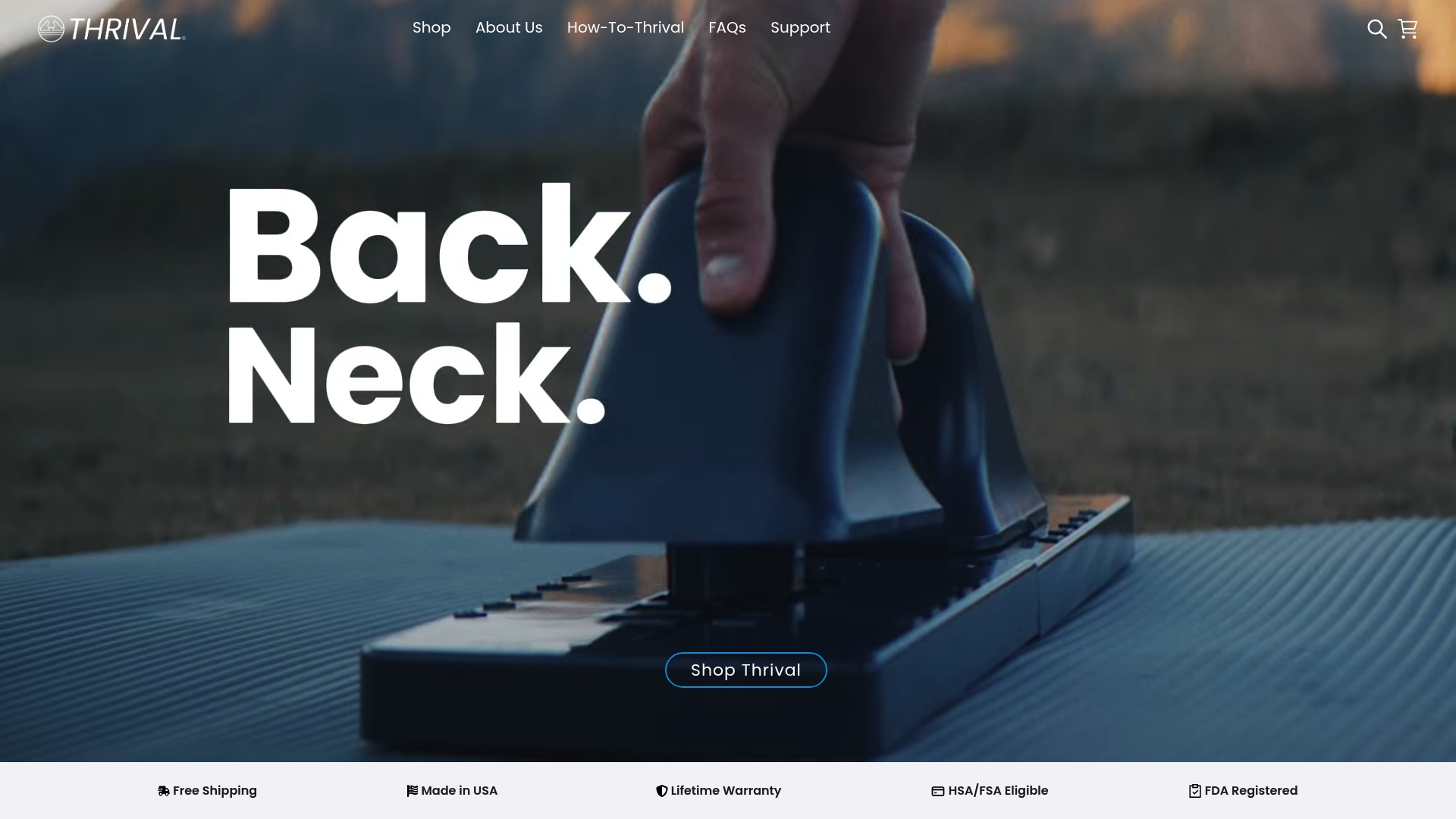
Thrival’s muscle recovery system is built around a non-motorized base board with interchangeable attachments, each designed to address specific muscle groups and tension patterns. The Thrival Wave targets broad muscle surfaces, while the Bullseye and Ballhead attachments deliver focused pressure to tight spots in the back, hips, and shoulders. Every tool is FDA-registered, US-manufactured, and backed by a lifetime warranty. Pair Thrival with the recovery strategies in this guide for a complete approach to pain relief and muscle health.
FAQ
How much protein do athletes need for muscle recovery?
Athletes need 1.6–2.2 grams of protein per kilogram of body weight daily to support muscle repair and reduce soreness. Spreading intake across meals and prioritizing a post-workout serving within the first hour produces the best results.
Is cold or heat therapy better for sore muscles?
Cold therapy is best for acute soreness and swelling within 30 minutes post-exercise, while heat therapy works better for stiffness and chronic tightness 48–72 hours after training. Matching the therapy to the symptom type is what determines effectiveness.
How does active recovery help with muscle pain?
Active recovery at low intensity increases blood flow to repairing tissue, clears metabolic waste, and triggers natural endorphin release. Twenty to forty minutes of light cycling, walking, or swimming is more effective than complete rest for reducing soreness.
Can NSAIDs hurt athletic performance over time?
Routine NSAID use for muscle soreness can reduce muscular adaptations and compromise long-term hypertrophy. Topical analgesics and physical therapies are better options for managing regular post-workout pain without systemic side effects.
How many hours of sleep do athletes need for pain relief?
Athletes need 7–9 hours of sleep nightly for tissue repair and pain reduction, with 9–10 hours recommended after intense training sessions. Consistent sleep and wake times improve sleep quality as much as total duration.