


Effective pain relief is defined as a measurable improvement in daily function and a reduction in discomfort, not the complete elimination of pain. This pain relief guide 2026 covers the full spectrum of evidence-based pain management: medications, physical therapy, lifestyle adjustments, and self-care tools. Chronic pain affects millions of Americans, and the most successful outcomes come from combining multiple approaches rather than relying on any single treatment. Whether you deal with back pain, nerve pain, or joint discomfort, the strategies here give you a clear, practical path forward.
What are the foundational elements of an effective pain relief plan?
A solid pain management plan starts with data, not guesswork. Experts recommend tracking pain diary variables for 2 to 4 weeks before making any major treatment changes. That window gives you enough information to spot patterns in sleep, stress, movement, and triggers that drive your pain up or down.
Once you have that data, set SMART goals. SMART stands for specific, measurable, achievable, relevant, and time-bound. A goal like “walk for 15 minutes without stopping by the end of the month” beats “feel less pain” every time. Functional goals keep you moving forward even on days when pain levels stay the same.
Building a care team is the next step. A well-rounded team typically includes:
- A primary care physician or pain specialist to oversee medications and referrals
- A physical therapist to address movement dysfunction and build a graded exercise program
- A mental health professional, such as a psychologist trained in cognitive behavioral therapy, to manage the emotional weight of chronic pain
- An occupational therapist if daily tasks like dressing, cooking, or working at a desk are affected
Basic tools matter too. A medication tracker app, a simple breathing exercise routine, and a targeted muscle therapy tool for tight spots all support your plan between appointments.
Pro Tip: Keep your pain diary in a notes app on your phone so you can log entries immediately after meals, workouts, or stressful events. Real-time entries are far more accurate than end-of-day memory.

Which medication options work best for chronic pain in 2026?
Medication choice depends on pain type. Musculoskeletal pain, such as low back pain or osteoarthritis, responds well to NSAIDs like ibuprofen or naproxen. Neuropathic pain, the burning or shooting kind caused by nerve damage, requires a different class of drugs entirely.
| Pain Type | First-Line Medications | Notes |
|---|---|---|
| Musculoskeletal | NSAIDs, topical diclofenac | Use short-term; monitor GI and kidney health |
| Neuropathic | Duloxetine, gabapentin, pregabalin | Require 4–8 weeks to assess full benefit |
| Localized | Lidocaine patches, topical NSAIDs | Minimal systemic absorption; good for focal pain |
| Severe chronic | Opioids (guideline-based) | Lowest effective dose, shortest duration, close monitoring |
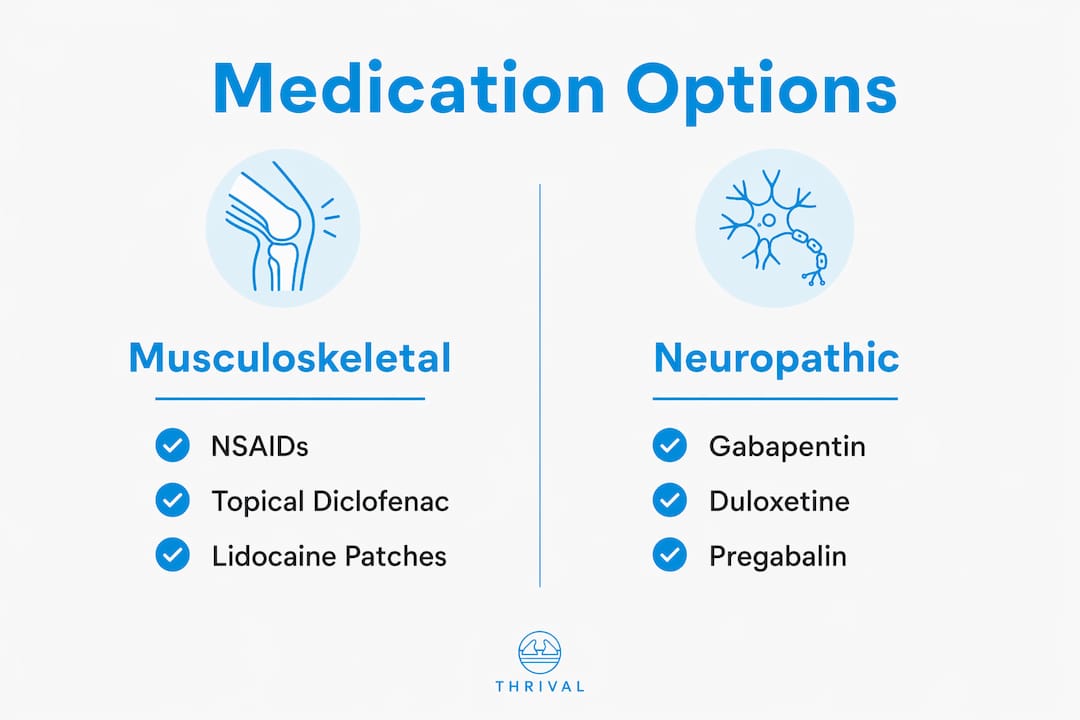
For nerve pain drugs like gabapentin, duloxetine, and pregabalin, the assessment timeframe is 4–8 weeks. Stopping early because you don’t feel immediate relief is one of the most common mistakes people make with this class of medication.
Topical treatments deserve more attention than they typically get. Lidocaine patches and topical diclofenac deliver medication directly to the painful area with far less systemic exposure than oral drugs. For people managing pain in a specific joint or muscle group, this is often the smarter starting point.
Opioids remain a last resort for most chronic pain conditions. Guidelines call for the lowest effective dose and the shortest possible duration, with regular reassessment. Medications work best as one layer of a broader plan, not as the entire plan.
Pro Tip: Ask your prescriber to review all your medications together at least once a year. Drug interactions and cumulative side effects are easy to miss when multiple specialists are prescribing independently.
How does physical therapy improve long-term pain outcomes?
Physical therapy is the most viable long-term strategy for musculoskeletal pain because it addresses the mechanical causes, not just the symptoms. A physical therapist identifies movement dysfunctions, muscle imbalances, and postural habits that keep pain cycles running. Fixing those root causes produces results that outlast any medication.
Graded exercise is the core method. The principle is straightforward:
- Start all exercise at an intensity below your current pain threshold
- Increase duration or resistance by no more than 5–10% per week to avoid triggering flares
- Combine aerobic activity, such as walking or cycling, with targeted strengthening exercises
- Add mobility work, including hip flexor stretches and thoracic spine rotations, to restore full range of motion
- Progress core and hip strengthening together, since weakness in either area commonly drives low back and knee pain
Pacing is equally important. Pacing limits activity on good days to prevent the boom-and-bust cycle, where people overdo it when they feel well and then crash for days afterward. A physical therapist helps you find your baseline and build from it steadily.
“Physical therapy combined with education and collaborative programs has higher adherence and better outcomes than passive treatments alone.” — Chronic Pain Management Guide
Occupational therapy adds another layer for people whose pain affects work or daily tasks. An occupational therapist can redesign your workspace, recommend adaptive tools, and teach joint protection techniques that reduce strain throughout the day. For physical therapy for foot pain, a specialist approach targeting the specific mechanics of the foot and ankle produces better results than generic exercise programs.
What lifestyle and self-care strategies reduce pain flare-ups?
Diet, sleep, and stress management are not soft add-ons to a pain plan. They directly affect inflammation levels, pain hormone regulation, and nervous system sensitivity. Getting these right reduces both the frequency and severity of flare-ups.
An anti-inflammatory diet centers on colorful vegetables, fruits, omega-3 rich foods like salmon and walnuts, and lean proteins. Processed foods, refined sugars, and trans fats drive systemic inflammation and make pain harder to manage. You don’t need a perfect diet. Consistent improvement matters more than strict adherence.
Stress reduction works at a physiological level. Slow diaphragmatic breathing forces the nervous system into a relaxed state, reducing muscle tension and pain sensitivity. A simple practice of five slow breaths before meals or during a work break costs nothing and produces measurable relief for many people.
Sleep hygiene is non-negotiable. Poor sleep raises cortisol, lowers pain tolerance, and slows tissue repair. A consistent sleep schedule, a cool dark room, and avoiding screens for 30 minutes before bed are the three changes that produce the fastest improvement.
For flare management, a written playbook removes the panic of not knowing what to do when pain spikes. A solid flare playbook includes:
- Scale back all activity to a comfortable baseline for the first 24 hours
- Alternate heat and ice in 15-minute cycles to manage local inflammation
- Use pre-written reminders of your breathing and relaxation techniques
- Allow a 24 to 72 hour stabilization window before returning to your normal routine
- Contact your care team if pain exceeds your usual flare intensity or lasts beyond 72 hours
Pro Tip: Write your flare playbook when you feel well, not during a flare. Print it and keep a copy somewhere visible. Cognitive function drops during high pain, and having a written plan removes the need to think through next steps.
How do you troubleshoot a stalled pain relief plan?
Progress in chronic pain management is rarely linear. Plateaus, unexpected flares, and treatment failures are part of the process, not signs that nothing will ever work.
- Review your pain diary for new patterns. A spike in pain often correlates with a change in sleep, stress, or activity level that happened two to three days earlier, not the day of the flare.
- Check for boom-bust behavior. If you consistently feel worse after good days, you are likely exceeding your activity baseline. Reduce your “good day” output by 20% and track whether flares decrease.
- Reassess your medication timing and dosage. If a medication has not produced noticeable benefit after its full assessment window, report that to your prescriber rather than continuing indefinitely.
- Request a care team review. A joint appointment with your physician and physical therapist can identify gaps between what each provider is recommending and what you are actually doing.
- Shift your success metric. Effective pain management focuses on improving functional capacity rather than eliminating pain entirely. If you are walking further, sleeping better, or working more consistently, that is real progress even if your pain score has not dropped to zero.
The most common mistake people make is abandoning a plan too early. Most evidence-based treatments for chronic pain require consistent effort over weeks or months before results become clear. Patience, combined with good data and regular check-ins with your care team, is what separates people who improve from those who stay stuck.
Pro Tip: Set a calendar reminder every four weeks to review your pain diary and compare your current functional capacity to where you started. Seeing measurable progress in writing is one of the strongest motivators to keep going.
For joint pain relief options, working with a specialist who understands the specific mechanics of the affected joint produces faster and more durable results than a general approach.
Key takeaways
Successful pain management requires data-driven tracking, pacing, graded exercise, and combining multiple approaches consistently over time.
| Point | Details |
|---|---|
| Track before you change | Keep a pain diary for 2–4 weeks to identify triggers before adjusting your treatment plan. |
| Match medication to pain type | NSAIDs suit musculoskeletal pain; gabapentin, duloxetine, and pregabalin suit nerve pain and need 4–8 weeks to work. |
| Use graded exercise | Start below your pain threshold and increase intensity by no more than 5–10% per week to build tolerance safely. |
| Write a flare playbook | Plan your 24–72 hour flare response in advance so you can follow it without thinking during high-pain moments. |
| Measure function, not just pain | Progress means walking further, sleeping better, or working more consistently, even if pain scores stay the same. |
What I’ve learned about chronic pain that most guides won’t tell you
The single biggest shift I’ve seen in people who actually improve is the moment they stop chasing zero pain and start chasing a better Tuesday. That sounds simple, but it runs against everything most people believe when they first start managing chronic pain. They want the pain gone. They want a number on a scale to hit zero. That goal almost always leads to frustration, because chronic pain rarely disappears completely. What changes is how much it controls your life.
The second thing I’ve noticed is that the people who do best are the ones who treat their pain plan like a data project. They track. They adjust. They don’t assume a bad week means the whole plan failed. They look at their diary, find the pattern, and make one small change. That discipline is harder than it sounds, especially when you’re exhausted and hurting. But it’s the difference between drifting and making real progress.
The tools matter too, but not in the way most people expect. It’s not about finding the one product that fixes everything. It’s about having the right tools for the right moments. A deep tissue release tool for tight hip flexors after a long day at a desk. A breathing routine for the 3 a.m. pain spike. A written flare plan for the days when thinking clearly is impossible. The 2026 pain relief action plan that works is the one you can actually follow on your worst days, not just your best ones.
— Cameron
Thrival tools that support your pain relief plan
Physical therapy and self-care strategies work best when you have the right tools to back them up between appointments. Thrival’s muscle recovery system is built for exactly that gap.
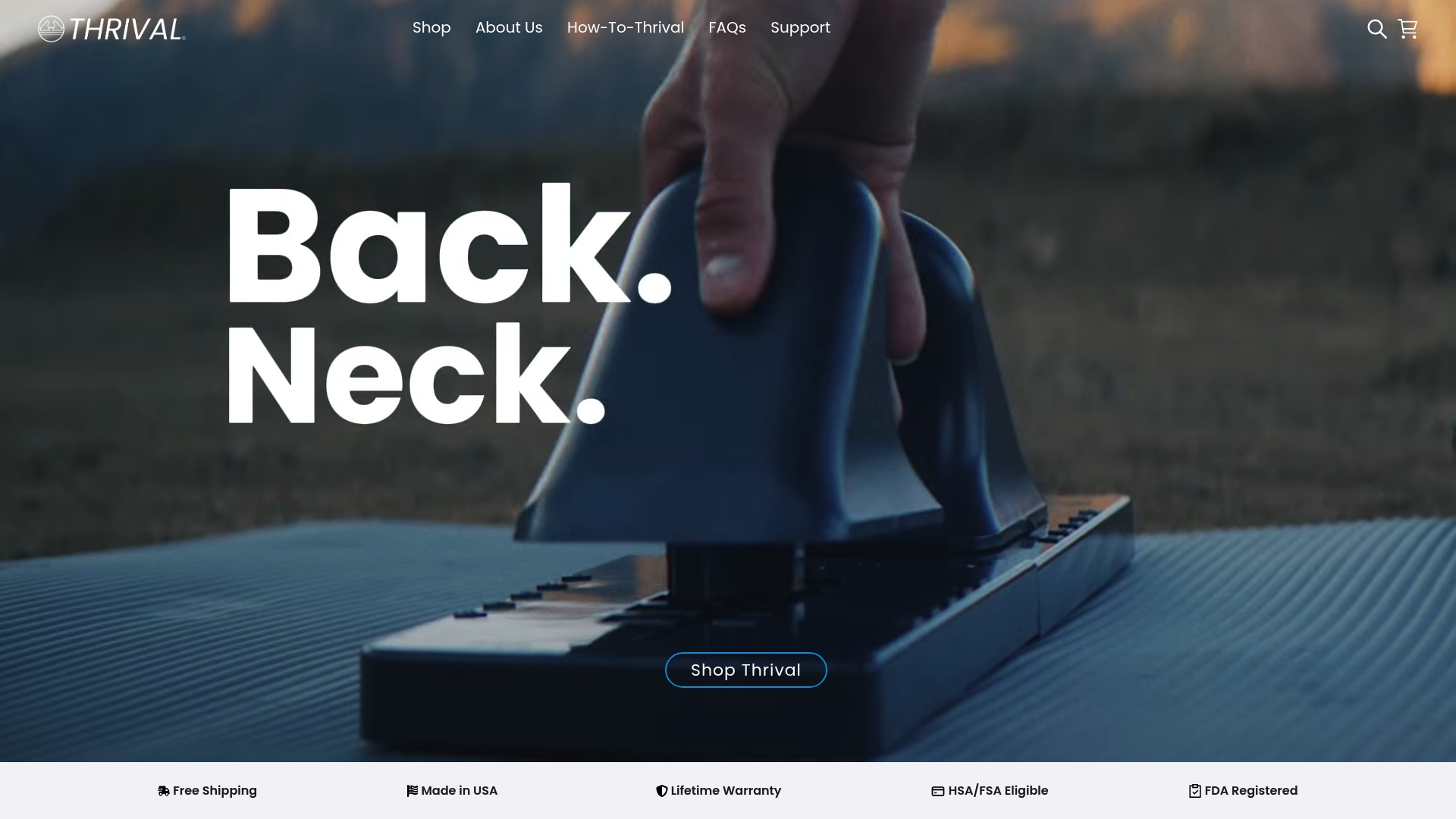
The Thrival system uses a non-motorized base board with interchangeable attachments, including the Thrival Wave, Bullseye, Arch, and Ballhead, each designed to target specific muscle groups in the back, hips, neck, and shoulders. It replicates the effect of deep tissue work without requiring a therapist present. Every unit is FDA-registered, US-manufactured, and backed by a lifetime warranty. The Thrival app pairs with the system to guide you through routines matched to your recovery goals. Visit Thrival.com to find the right setup for your pain relief needs.
FAQ
What is the best starting point for chronic pain management?
Start by keeping a pain diary for 2–4 weeks to identify triggers, then build a care team that includes a physician, physical therapist, and mental health professional. Data collected before treatment changes leads to more targeted and effective interventions.
How long do nerve pain medications take to work?
Medications like gabapentin, duloxetine, and pregabalin require a 4–8 week assessment window before their full benefit becomes clear. Stopping early is one of the most common reasons nerve pain treatment fails.
What are the safest natural pain relief options?
Slow diaphragmatic breathing, anti-inflammatory diet changes, consistent sleep hygiene, and graded exercise are the most evidence-supported natural approaches. These methods reduce nervous system reactivity and systemic inflammation without medication side effects.
How do I handle a pain flare without losing progress?
Use a written flare playbook that scales back activity, alternates heat and ice, and allows a 24–72 hour stabilization window before returning to your normal routine. Contact your care team if the flare exceeds your usual intensity or lasts beyond 72 hours.
When should I reassess my pain relief plan?
Reassess every four weeks by reviewing your pain diary and comparing current function to your baseline. If a treatment has not produced measurable improvement after its full recommended trial period, discuss alternatives with your care team rather than continuing without change.