


Blood flow is defined as the body’s primary delivery system for oxygen, nutrients, and immune cells to damaged muscle tissue, while simultaneously clearing metabolic waste that causes soreness and stiffness. The role of blood flow in recovery is not optional or secondary. It is the physiological foundation on which every repair process depends. Without adequate circulation, muscles stall in the inflammatory phase, healing slows, and soreness lingers far longer than necessary. Recovery tools like percussive massage devices, intermittent pneumatic compression, and lymphatic drainage massage all work by targeting this single mechanism: getting more blood to the tissue that needs it most.
How does improved blood flow accelerate muscle repair and reduce soreness?
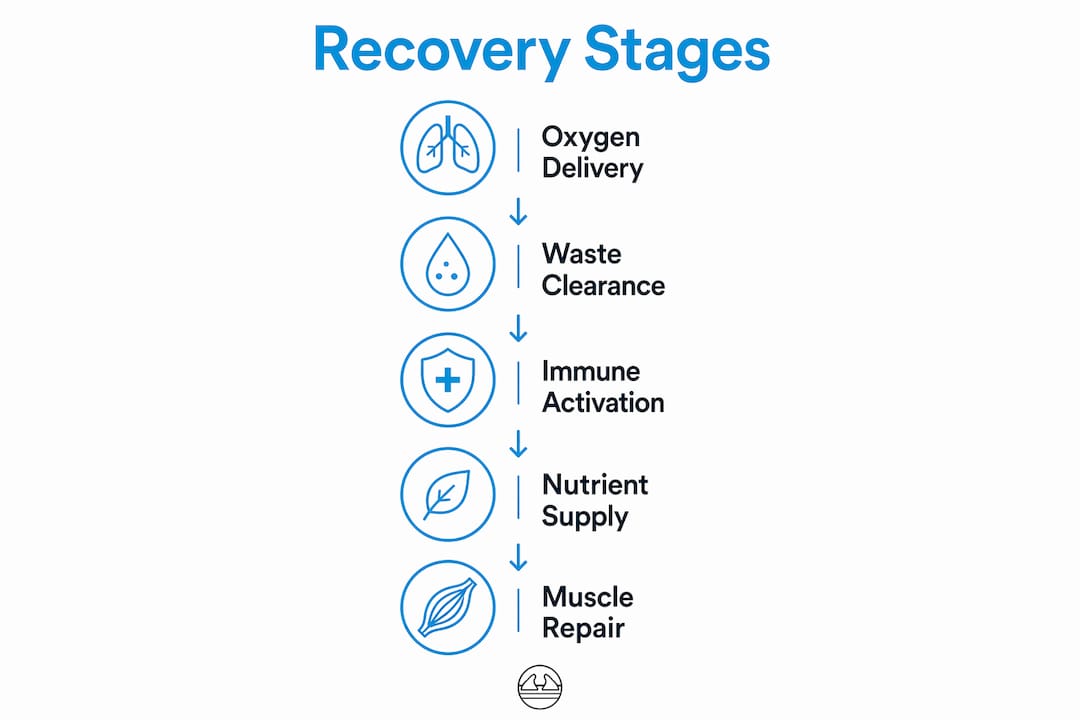
Blood flow accelerates muscle repair through four distinct mechanisms: oxygen delivery, waste clearance, immune cell trafficking, and biochemical signaling. Each one depends on the same capillary network that feeds your muscles during exercise.
Oxygen delivery is the most direct mechanism. Muscle fibers require oxygen to produce ATP, the energy currency used to rebuild damaged proteins after training. Oxygen is often the limiting factor in tissue repair, and post-injury swelling compresses blood vessels, creating an oxygen gap that stalls healing until circulation is restored. This explains why a swollen, bruised muscle heals slower than a clean cut in well-vascularized skin.
Metabolic waste clearance is equally important. Lactic acid, hydrogen ions, and other byproducts accumulate in muscle tissue during intense exercise. These compounds directly trigger the pain receptors responsible for delayed onset muscle soreness (DOMS). Blood flow flushes these compounds out of the tissue and into the lymphatic and venous systems for processing.
Immune cell trafficking is the mechanism most people overlook. Neutrophils, macrophages, and satellite cells all travel through the bloodstream to reach damaged fibers. These cells clear debris and release growth factors that trigger the regeneration phase. Without adequate blood flow, this cellular cleanup crew simply does not arrive on time.
Biochemical signaling completes the picture. Research shows that strategic blood flow manipulation increases anti-inflammatory cytokines like IL-10 by up to 27% and IL-15 by 35%, creating a more favorable molecular environment for recovery. That is not a minor adjustment. It represents a measurable shift in how your body manages post-exercise inflammation.
- Lower limb muscles recover within 48–96 hours depending on exercise intensity, with circulation quality directly influencing where in that window you land.
- Blood flow transports not just oxygen but also signaling molecules to injured tissue, making it essential for healing though not the sole factor.
- Healing also depends on matrix remodeling and biomechanical loading, meaning circulation supports but does not replace a complete recovery protocol.
Pro Tip: Apply a circulation-enhancing tool like a percussive massage device within 30 minutes of finishing a hard training session. This is when metabolic waste concentration is highest and clearance has the most impact on next-day soreness.
What are the effective methods to enhance blood flow for faster recovery?
Several recovery modalities improve circulation through different physiological pathways. Choosing the right one depends on your goal, timing, and the type of tissue involved.
Percussive massage and fascia guns
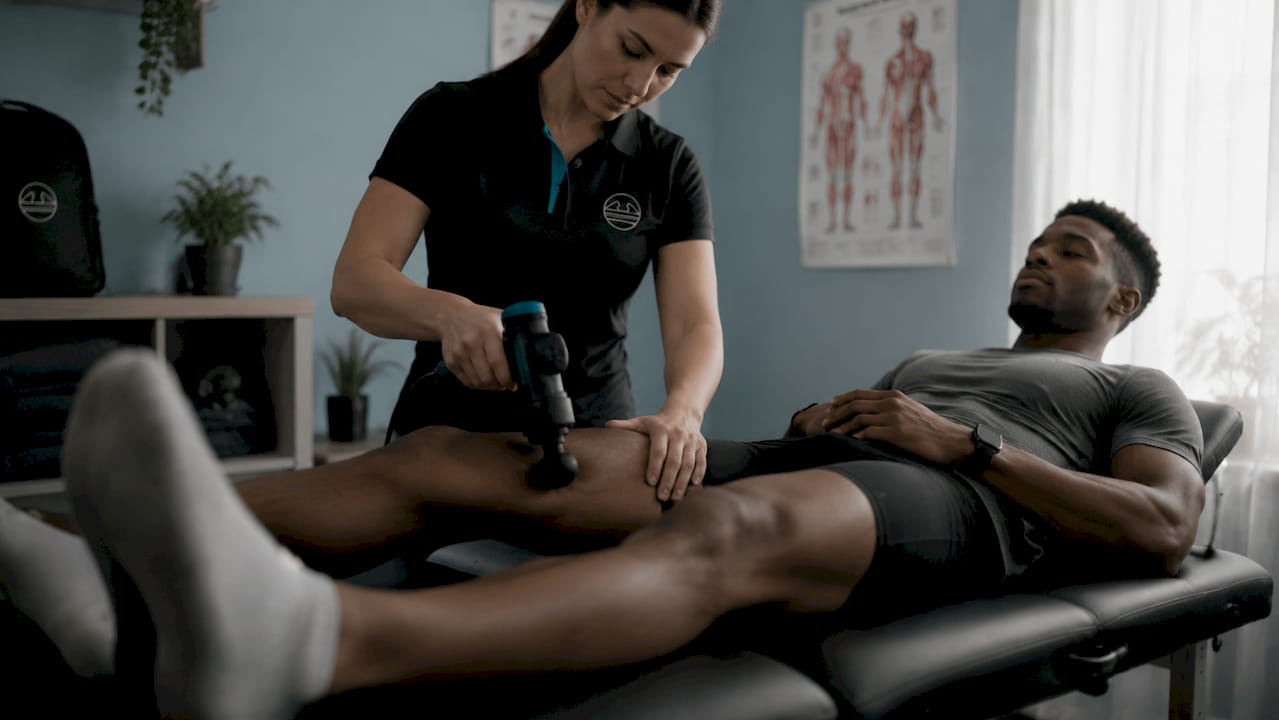
Percussive massage tools improve local blood circulation by mechanically stimulating muscle tissue and increasing oxygen saturation at motor trigger points. Fascia gun use improves blood flow and accelerates metabolic waste clearance, reducing muscle fatigue within 48–96 hours of exercise. The mechanical pressure also reduces localized edema by encouraging fluid movement away from the treatment site.
Lymphatic drainage vs. sports massage
These two massage types produce different physiological outcomes, and confusing them leads to suboptimal recovery choices. Lymphatic drainage reduces inflammatory markers like creatine kinase and CRP more effectively at 24 hours post-exercise. Sports massage, by contrast, more consistently increases local tissue perfusion immediately after application. A study of 36 athletes using 6 sessions of 30-minute massage over 72 hours confirmed this distinction. Use lymphatic drainage when systemic inflammation is the priority. Use sports massage when you need immediate local blood flow to a specific muscle group. You can explore more about sports massage therapy techniques to understand when each approach applies.
Intermittent pneumatic compression
Intermittent pneumatic compression (IPC) devices use sequential air pressure to push blood and lymphatic fluid through the limbs. Tissue oxygen saturation plateaus after 10 minutes of IPC use, with full 30-minute sessions also reducing leg circumference and muscle tissue T2 values, both markers of reduced swelling. This makes IPC particularly effective for lower body recovery after high-volume training.
| Modality | Primary benefit | Optimal timing | Session length |
|---|---|---|---|
| Percussive massage | Local blood flow and waste clearance | Immediately post-exercise | 5–15 minutes per area |
| Lymphatic drainage | Systemic inflammation reduction | 24 hours post-exercise | 30 minutes |
| Sports massage | Local tissue perfusion | Immediately post-exercise | 30–60 minutes |
| Intermittent pneumatic compression | Oxygenation and fluid clearance | Post-exercise or rest day | 10–30 minutes |
Pro Tip: For back-to-back training days, combine IPC in the evening with percussive massage the following morning. This two-phase approach addresses both fluid clearance and local blood flow at the times each is most effective.
What role does vascular health play in recovery quality?
Vascular health is the upstream variable that determines how well any recovery tool or technique actually works. You can apply the best percussive massage device available, but if your circulatory system is compromised, the downstream effects are limited.
Poor circulation due to compromised heart function or vessel damage causes tissues to stall in the inflammatory phase, leading to chronic conditions and delayed recovery. This is not just a concern for clinical populations. Athletes with unmanaged hypertension, individuals with early-stage type 2 diabetes, and desk workers with chronically poor posture all experience measurable reductions in local tissue perfusion.
The oxygen gap concept is particularly relevant here. When post-injury swelling compresses blood vessels, damaged vessels reduce oxygen delivery despite high tissue demand. This explains why some injuries feel “stuck” for weeks. The tissue is demanding repair resources that the vascular system cannot deliver at sufficient volume.
Key risk factors that impair circulation and slow recovery:
- Diabetes: Elevated blood glucose damages capillary walls, reducing nutrient and oxygen exchange at the tissue level.
- Hypertension: Chronically elevated arterial pressure stiffens vessel walls, reducing their ability to dilate in response to local tissue demand.
- Sedentary behavior: Prolonged sitting reduces venous return and lymphatic flow, creating low-grade circulatory stagnation in the lower body.
- Chronic inflammation: Systemic inflammatory states narrow capillary beds and impair immune cell trafficking to damaged tissue.
Chronic recovery delays often signal vascular supply issues, and early cardiovascular health management is key to resolving persistent inflammation. If you are consistently sore for more than 96 hours after moderate training, that pattern warrants attention beyond just adding more recovery tools. You may also want to understand how inflammation affects recovery at a systemic level.
How can you optimize blood flow daily to support muscle recovery?
Daily circulation habits matter as much as post-workout recovery protocols. The goal is to maintain a baseline of good vascular function so that every targeted recovery session produces maximum results.
-
Choose active recovery over passive rest. Passive rest is less effective than active recovery because blood flow does not naturally surge in inactive or swollen muscles. A 20-minute walk, light cycling, or gentle mobility work on rest days keeps circulation moving through recovering tissue without adding mechanical stress.
-
Time your recovery tools correctly. Percussive massage and sports massage are most effective immediately post-exercise when metabolite concentration is highest. Lymphatic drainage produces better inflammation reduction at the 24-hour mark. IPC works well in both windows. Matching the tool to the timing is more important than total session volume.
-
Prioritize hydration. Blood viscosity increases with dehydration, reducing the speed at which oxygen and nutrients reach muscle tissue. Aim for consistent fluid intake throughout the day, not just during training. Even mild dehydration measurably slows circulatory efficiency.
-
Support cardiovascular health through training. Aerobic exercise increases capillary density in trained muscles over time. More capillaries mean more surface area for nutrient exchange and faster waste clearance. This is a long-term adaptation, but it compounds significantly over months of consistent training.
-
Use targeted manual therapy for tight spots. Chronically tight muscles compress local capillary beds, reducing perfusion to the tissue. Tools designed for targeted muscle release address this directly by applying focused pressure to release tension and restore local blood flow.
Pro Tip: Do not assume more blood flow always means faster healing. High blood flow to an acutely inflamed joint, for example, can worsen swelling in the first 24–48 hours. Apply heat and circulation-enhancing tools after the acute phase has passed, typically 48 hours post-injury.
Key takeaways
Effective blood circulation for recovery is the single most controllable variable in how fast and completely your muscles heal after training or injury.
| Point | Details |
|---|---|
| Blood flow drives all repair | Oxygen, nutrients, and immune cells all reach damaged tissue through circulation. |
| Active beats passive | Mechanical or active interventions are required to overcome vascular stagnation in injured tissue. |
| Tool timing matters | Match your recovery modality to the phase: massage immediately post-exercise, lymphatic drainage at 24 hours. |
| Vascular health is upstream | Compromised circulation from diabetes or hypertension limits how well any recovery tool performs. |
| More flow is not always better | Avoid heat and circulation tools in the first 48 hours of acute injury to prevent worsening swelling. |
What I’ve learned about blood flow that most recovery advice gets wrong
Most recovery content treats blood flow as a single dial you either turn up or leave alone. After years of working with athletes and studying the research, I find that framing too simple to be useful.
The real insight is that blood flow is a delivery system, and delivery systems have timing, routing, and capacity constraints. Lymphatic drainage and sports massage produce distinct physiological outcomes that are not interchangeable. Using the wrong tool at the wrong time does not just produce neutral results. It can actively slow recovery by flooding tissue with blood before the inflammatory phase has cleared.
The other mistake I see constantly is treating passive rest as a default. People assume the body will handle circulation on its own if you just stay off the injured area. The research is clear that active interventions are required to overcome vascular stagnation in damaged tissue. Rest has a role, but it is not a recovery strategy on its own.
What actually works is a sequenced approach: active movement to maintain baseline flow, targeted mechanical therapy to address specific tight spots, and attention to systemic vascular health as the foundation underneath all of it. The athletes who recover fastest are not the ones using the most tools. They are the ones using the right tools at the right time with a clear understanding of what each one does physiologically.
— Cameron
Thrival’s tools for targeted circulation and muscle recovery
Understanding the science of blood flow is the first step. Applying it with the right tools is where real recovery gains happen.
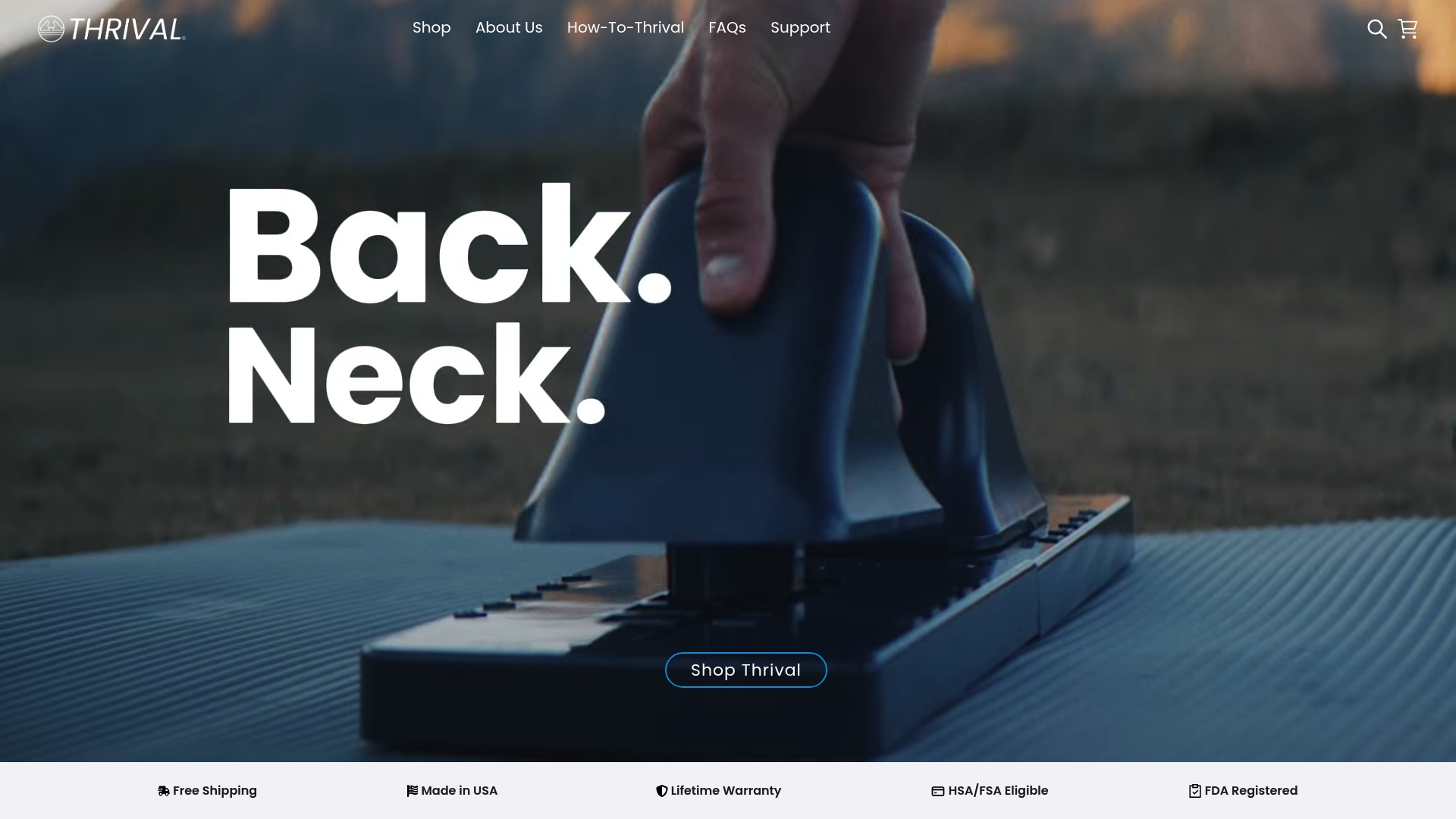
The Thrival Deep Tissue Pro is a non-motorized deep tissue recovery system built around a single base board with interchangeable attachments. The Thrival Bullseye Attachments deliver concentrated pressure to specific trigger points, replicating the targeted compression that clinical studies show improves local tissue perfusion and reduces soreness. Every Thrival product is US-manufactured, FDA registered, and backed by a lifetime warranty. If you are ready to put the circulation research into practice, explore the full soft tissue therapy options and find the right attachment for your recovery needs.
FAQ
What is the role of blood flow in muscle recovery?
Blood flow delivers oxygen, nutrients, and immune cells to damaged muscle tissue while removing metabolic waste like lactic acid. This process directly controls how fast and completely muscles repair after exercise or injury.
How does poor circulation slow down healing?
Compromised circulation keeps tissue stalled in the inflammatory phase by limiting immune cell delivery and nutrient exchange. Conditions like diabetes and hypertension reduce capillary function and measurably extend recovery timelines.
Is active recovery better than rest for blood flow?
Active recovery is more effective than passive rest because blood does not naturally surge through inactive or swollen muscles. Light movement, massage, or compression devices are required to overcome circulatory stagnation in damaged tissue.
How long does it take for blood flow to improve muscle recovery?
Lower limb muscles recover within 48–96 hours depending on exercise intensity, with circulation-enhancing tools like percussive massage accelerating waste clearance within that window. Tissue oxygen saturation from intermittent pneumatic compression plateaus after just 10 minutes of use.
Does lymphatic drainage improve blood flow for recovery?
Lymphatic drainage reduces systemic inflammatory markers like creatine kinase and CRP more effectively than sports massage at the 24-hour post-exercise mark. Sports massage produces stronger immediate local tissue perfusion, making the two techniques complementary rather than interchangeable.