


Massage is a clinically recognized method for reducing muscle tightness, increasing range of motion, and lowering injury risk in active individuals. The role of massage in injury prevention is not passive. It works by addressing the tissue restrictions and movement limitations that make muscles and joints vulnerable during high-intensity or repetitive training. Sports massage, percussion therapy, and lymphatic drainage each target different physiological mechanisms, and recent systematic reviews confirm measurable gains in both pain reduction and functional mobility. Used consistently and alongside strength training and load management, massage gives athletes a meaningful edge in staying healthy and training without interruption.
How massage prevents injuries by improving muscle function
The primary mechanism behind massage’s injury prevention value is tissue mobility. When muscles are chronically tight or restricted, they lose their ability to absorb force efficiently. That mechanical vulnerability is exactly where strains, tears, and overuse injuries begin.
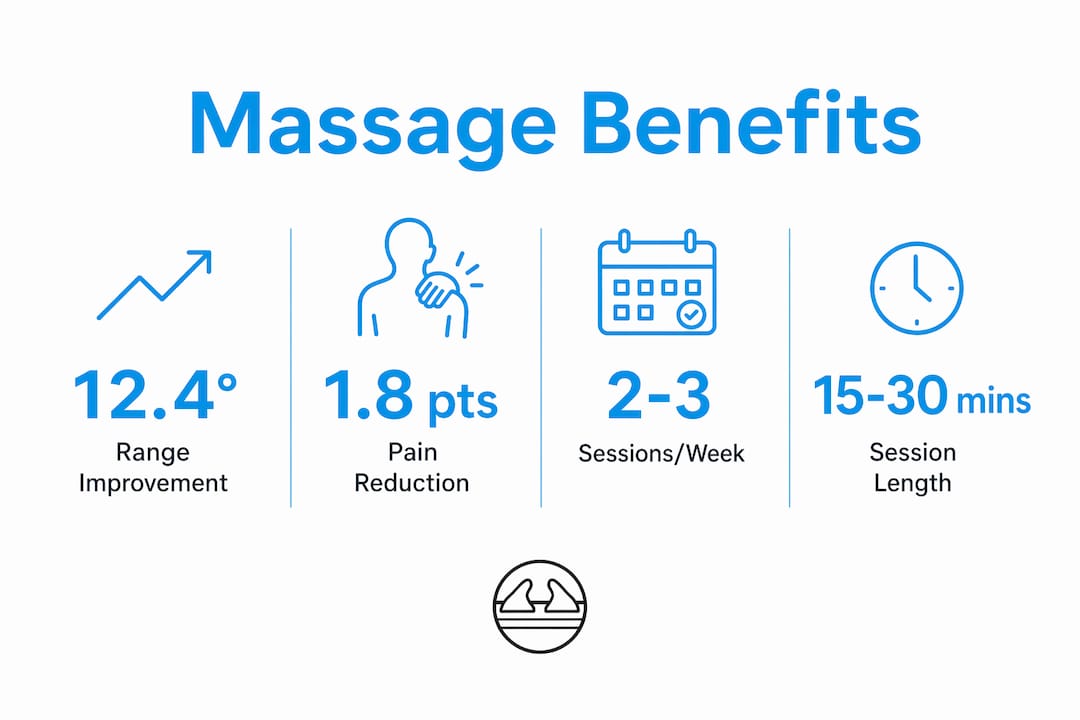
Massage addresses this through three overlapping effects: relieving muscle tension, increasing local blood flow, and restoring tissue glide between muscle layers. Each of these reduces the mechanical friction and stiffness that accumulate during repetitive training. A PRISMA-based systematic review of 23 studies involving 1,456 participants found that sports massage improved range of motion by 12.4 degrees compared to rest or standard care. That is not a marginal gain. A 12-degree improvement in hip or hamstring range of motion directly reduces the risk of a muscle pull during a sprint or a deep squat.
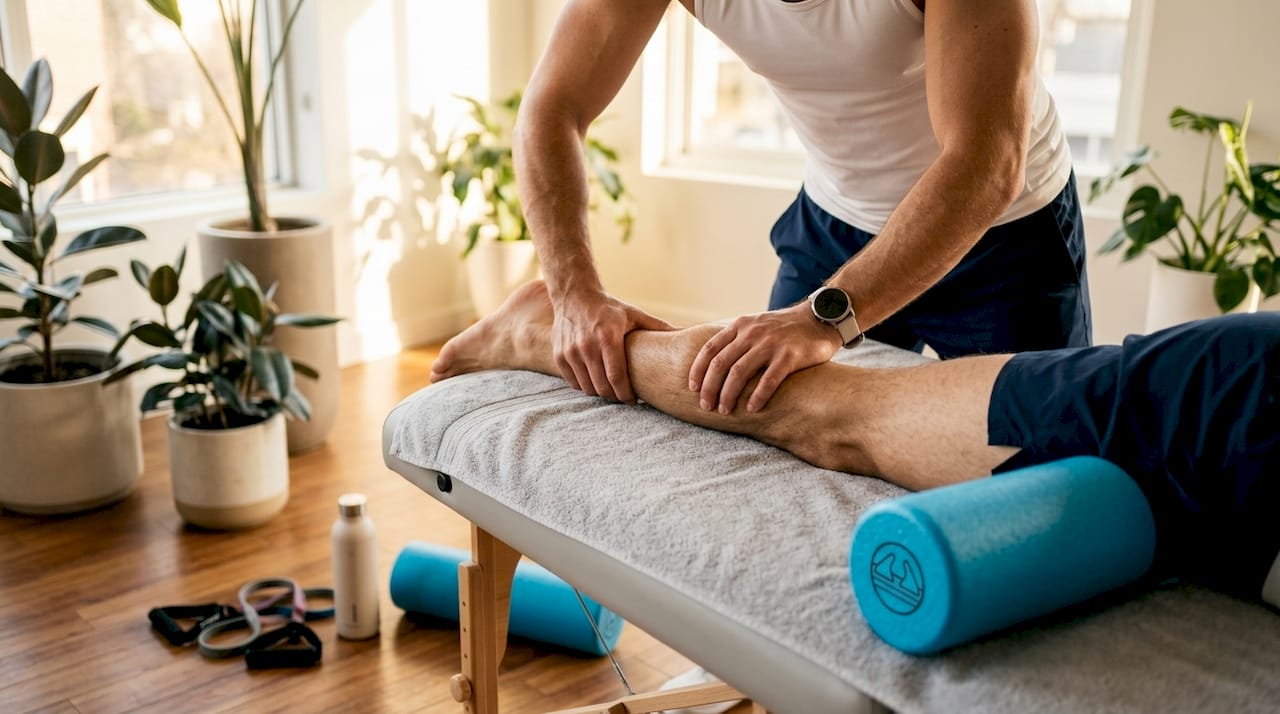
Athlete-specific targeting matters here. A runner with restricted hip flexors faces a different risk profile than a swimmer with tight shoulder internal rotators. Effective massage addresses the specific tissue restrictions relevant to the athlete’s sport and movement demands, not just general soreness.
Pro Tip: Schedule massage immediately before a mobility or activation session. The transient window of increased range of motion post-massage is real, and pairing it with movement locks in the gains more effectively than massage alone.
Key physiological benefits that support injury prevention include:
- Reduced resting muscle tension in overloaded tissue groups
- Improved circulation delivering oxygen and clearing metabolic waste
- Restored fascial glide between muscle layers
- Decreased neuromuscular guarding around sensitive or previously injured areas
- Enhanced proprioceptive feedback, which improves movement accuracy
What does the research say about massage and injury prevention?
The honest answer is that the evidence is strong for symptom control and recovery, and moderate for direct injury prevention. That distinction matters for setting realistic expectations, but it does not diminish massage’s value in a prevention-focused program.
A PRISMA systematic review found sports massage reduces pain by 1.8 points on the Visual Analog Scale compared to rest or standard care. Pain reduction keeps athletes training consistently, and training consistency is itself one of the strongest predictors of injury resilience. An athlete who avoids training disruptions builds more durable tissue over time.
The VA’s evidence map, drawing on six reviews published since 2018, rates massage at moderate certainty for managing pain in conditions like chronic back pain and fibromyalgia. Moderate certainty is meaningful in clinical terms. It means the signal is consistent across multiple well-designed studies, not just isolated trials.
A separate RCT examined lymphatic drainage and intense sports massage after eccentric plyometric exercise. Both modalities increased pressure pain threshold and reduced biochemical markers of muscle damage across six 30-minute sessions over 72 hours. Faster recovery from training stress means less accumulated fatigue entering the next session, which directly reduces injury risk.
Here is how the major evidence categories compare:
| Study type | Outcome measured | Result | Certainty level |
|---|---|---|---|
| PRISMA systematic review (23 RCTs) | Pain reduction (VAS) | 1.8-point reduction vs. rest | Moderate |
| PRISMA systematic review (23 RCTs) | Range of motion gain | +12.4 degrees vs. standard care | Moderate |
| RCT (lymphatic + sports massage) | Recovery markers post-exercise | Reduced muscle damage biomarkers | Moderate |
| VA evidence map (6 reviews) | Chronic pain management | Consistent benefit across conditions | Moderate |
| RCT (percussion massage, cyclists) | Balance and functional performance | Acute gains after single session | Low to moderate |
The consistent thread across all of these findings is that massage works best as an adjunct to therapeutic exercise and load management, not as a standalone treatment. Athletes who treat massage as one layer of a broader prevention strategy get the most out of it.
Comparing massage techniques for injury prevention
Not all massage is the same. Sports massage, percussion therapy, and lymphatic drainage each target different tissue types and serve different roles in a prevention-focused program. Choosing the right technique for the right context is what separates effective bodywork from generic recovery.
Sports massage focuses on reducing muscle tension, improving tissue extensibility, and identifying asymmetries that signal altered load distribution. A skilled therapist working on a cyclist’s quads and hip flexors is not just releasing tightness. They are gathering clinical information about which areas are overloaded and which are underactive. That assessment function is one of massage’s most underappreciated injury prevention benefits.
Percussion massage therapy delivers rapid, repetitive mechanical input to muscle tissue. A study on adolescent cyclists found that a single 18-minute session produced significant short-term improvements in dynamic balance, functional performance, and pain perception without altering maximal isometric strength. This makes percussion therapy particularly useful in pre-training or pre-competition contexts where you want neuromuscular activation without fatigue.
Lymphatic drainage takes a different approach entirely. It targets the lymphatic system to reduce inflammation and accelerate the clearance of metabolic waste from muscle tissue. This technique is most valuable in the 24 to 72 hours following high-intensity training or competition.
| Technique | Primary mechanism | Best use case | Session length |
|---|---|---|---|
| Sports massage | Tension relief, tissue glide, assessment | Weekly maintenance during training blocks | 30 to 60 minutes |
| Percussion therapy | Neuromuscular activation, pain modulation | Pre-training warm-up or acute recovery | 15 to 20 minutes |
| Lymphatic drainage | Inflammation reduction, waste clearance | Post-competition or heavy training recovery | 30 to 45 minutes |
The role of bodywork in injury care is most effective when technique selection matches the training phase and the athlete’s specific tissue needs. Using sports massage before a competition and lymphatic drainage after it, for example, is a more targeted approach than applying the same technique regardless of context.
How to integrate massage into your injury prevention routine
Consistency matters more than intensity when it comes to preventing injuries with massage. Multiple moderate sessions over weeks outperform single long pre-event sessions in every major study. The tissue adaptations that reduce injury risk accumulate over time, not in one appointment.
Here is a practical framework for integrating massage into your training program:
- Set a baseline frequency. During high training load periods, two to three massage sessions per week at 15 to 30 minutes each aligns with the dosing protocols that produced the strongest results in clinical trials.
- Pair massage with active work. Follow each session with mobility drills or light activation exercises targeting the areas just treated. This capitalizes on the transient range of motion gains that massage produces.
- Use a licensed therapist for assessment. A qualified therapist can detect asymmetries and restricted glide that signal elevated injury risk. This clinical assessment role is something self-massage cannot replicate.
- Add self-massage tools between sessions. Devices like the Thrival Deep Tissue Pro allow you to maintain tissue quality between professional appointments, targeting the back, hips, and shoulders with specific attachments for each area.
- Adjust timing around competition. Schedule deeper tissue work at least 48 hours before competition. Use lighter percussion or self-massage tools in the 24 hours before an event to activate without fatiguing tissue.
- Track your response. Note which areas feel restricted before and after sessions. Over time, patterns in your tightness tell you where your training load is creating the most mechanical stress.
Pro Tip: During peak training blocks, treat massage the same way you treat strength sessions: scheduled, non-negotiable, and logged. Athletes who track massage frequency alongside training volume report fewer surprise injuries during competition phases.
The benefits of massage therapy compound when applied consistently. A single session relieves tightness. Eight weeks of regular sessions rebuild tissue tolerance and movement quality in ways that genuinely reduce injury probability.
Key takeaways
Massage prevents injuries by maintaining tissue mobility, accelerating recovery, and supporting consistent training. The most effective approach combines regular professional massage with targeted self-massage tools and active mobility work.
| Point | Details |
|---|---|
| Massage improves range of motion | Sports massage produces an average 12.4-degree ROM gain, directly reducing strain risk. |
| Consistency beats intensity | Two to three moderate sessions per week outperform single long sessions for injury prevention. |
| Technique selection matters | Sports massage, percussion, and lymphatic drainage each serve distinct roles by training phase. |
| Therapist skill is a safety factor | Licensed therapists detect biomechanical asymmetries that self-massage tools cannot identify. |
| Massage works best as an adjunct | Pair massage with strength training and load management for the strongest injury prevention effect. |
My take: massage is a support system, not a silver bullet
I have worked with enough athletes to know that massage gets oversold and underapplied at the same time. People either expect it to fix everything or they skip it entirely because they think it is a luxury. Both positions miss the point.
Massage is a support system. Its clearest value is keeping tissue healthy enough to train consistently, and consistent training is what actually builds injury-resistant bodies. The research backs this up. The strongest injury prevention benefits come through improved comfort, mobility, and recovery, not through some direct protective mechanism that massage applies to tissue.
What I find most underappreciated is the assessment function. A skilled therapist working on your hamstrings is also telling you something about your hip mechanics and your loading patterns. That information is worth as much as the tissue work itself. The problem is that therapist quality varies enormously, and the difference between a licensed professional and someone with minimal training is not always obvious until something goes wrong.
My honest recommendation: use professional massage for assessment and deep tissue work, and use quality self-massage tools to maintain tissue between sessions. Do not rely on either one alone. And pair both with education on load management and movement mechanics, because massage cannot compensate for training errors that exceed your tissue’s capacity.
— Cameron
Support your prevention routine with Thrival
Thrival’s Deep Tissue Pro system is built for athletes who take tissue health seriously. The non-motorized base board accepts four interchangeable attachments, including the Wave, Bullseye, Arch, and Ballhead, so you can target specific muscle groups like the hips, back, shoulders, and neck with precision. It replicates the targeted pressure of professional bodywork between appointments, keeping tissue mobile and responsive during high training load periods. Endorsed by professional athletes and FDA registered, it is designed for durability and professional-grade performance. Explore the Thrival Deep Tissue Pro and find the right attachment setup for your recovery needs.
FAQ
What is the role of massage in injury prevention?
Massage reduces muscle tightness, improves range of motion, and accelerates recovery from training stress. These effects lower the mechanical vulnerability that leads to strains and overuse injuries during physical activity.
How often should athletes get massage for injury prevention?
Research supports two to three sessions per week at 15 to 30 minutes each during high training load periods. Consistent moderate-frequency sessions produce stronger results than single long pre-event appointments.
Is massage effective for injuries compared to rest?
A PRISMA systematic review of 23 studies found sports massage reduces pain by 1.8 points on the VAS and improves range of motion by 12.4 degrees compared to rest or standard care. Rest alone does not produce these functional gains.
What massage technique is best for athletes?
Sports massage is the most studied technique for athletic injury prevention, targeting tension and tissue glide. Percussion therapy is effective for pre-training neuromuscular activation, while lymphatic drainage is best suited for post-competition recovery.
Can self-massage tools replace professional massage?
Self-massage tools like the Thrival Deep Tissue Pro maintain tissue quality between professional sessions but cannot replicate the clinical assessment a licensed therapist provides. Both serve different and complementary roles in a prevention program.