


Most active people think of massage as a way to relax after a tough week. That assumption sells it short. Professional-grade massage, particularly sports massage, is a specialized form of manual therapy designed for athletes and fitness enthusiasts to enhance performance, aid recovery, and prevent injuries by targeting stressed muscles, tendons, ligaments, and fascia. It is goal-oriented, adaptive, and built around your sport and your body. If you’ve been treating massage as an occasional luxury, this guide will show you why it belongs at the center of your recovery strategy.
Table of Contents
- What does professional-grade massage really mean?
- Key techniques used in professional-grade massage
- Evidence-backed benefits: What can you expect from professional-grade massage?
- When and how to use professional-grade massage safely
- What most people miss about professional-grade massage
- Take your recovery further: Professional-grade tools you can try
- Frequently asked questions
Key Takeaways
| Point | Details |
|---|---|
| Goal-driven techniques | Professional-grade massage focuses on recovery and performance, not just relaxation. |
| Evidence-based benefits | Studies show notable boosts in pain relief, flexibility, and muscle function. |
| Therapist expertise matters | Qualified therapists tailor techniques and timing for your specific needs. |
| Timing is key | Choose massage type and timing based on your workout and recovery schedule. |
| Use as part of recovery | Massage works best alongside smart training, rest, and other recovery tools. |
What does professional-grade massage really mean?
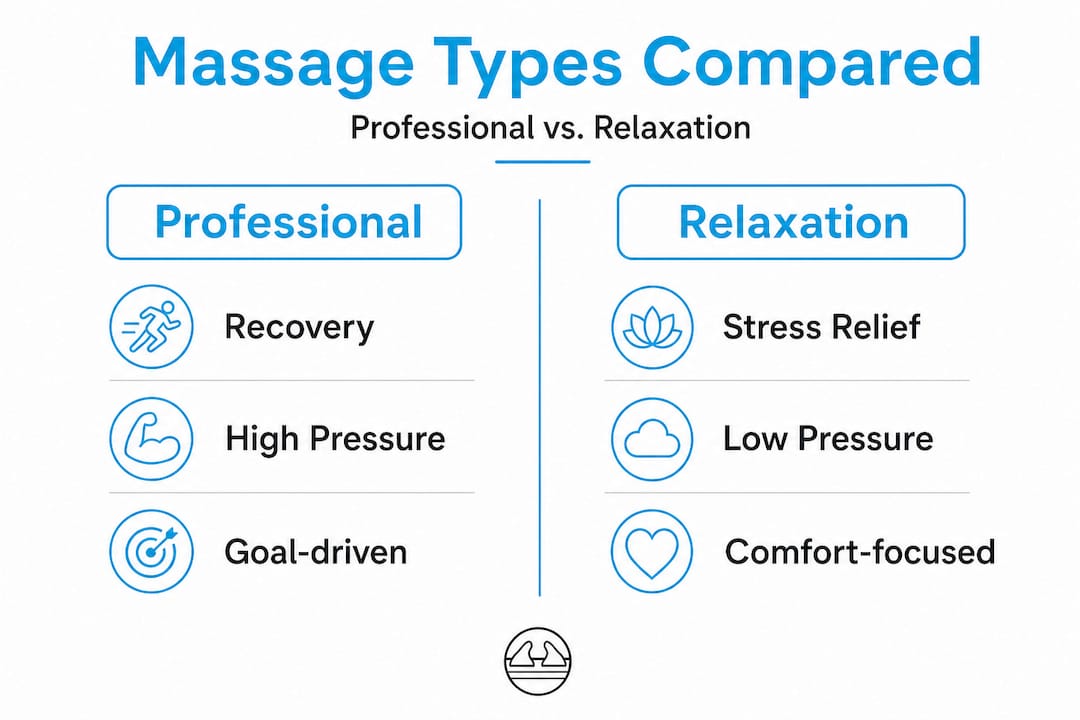
Not all massage is created equal. A relaxation massage at a spa focuses on general stress relief, low pressure, and a calming atmosphere. Professional-grade massage is something fundamentally different. It is goal-oriented and sport-specific, built around your training demands, performance targets, and individual recovery needs.
A qualified sports massage therapist assesses your movement patterns, training load, and injury history before ever placing hands on you. The session adapts in real time based on how your tissue responds. That level of precision is what separates professional-grade work from a generic rubdown.
Key differences between professional-grade and relaxation massage
| Feature | Professional-grade massage | Relaxation massage |
|---|---|---|
| Primary goal | Performance and recovery | Stress relief and relaxation |
| Technique selection | Sport-specific and adaptive | Standardized, light pressure |
| Therapist training | Advanced anatomy, sport demands | General certification |
| Session structure | Assessment-driven | Routine and predictable |
| Pressure and depth | Calibrated to tissue response | Consistently low to moderate |
| Timing | Tied to training cycle | No structured timing |
Several myths persist about what makes a massage “professional.” Many athletes believe harder pressure automatically means better results. Others assume any licensed massage therapist can deliver the same outcome as a sports specialist. Neither is accurate. Deep tissue massage techniques require specific training and contextual judgment, not just force.
“Professional-grade massage is not about causing discomfort. It is about applying the right technique at the right intensity, at the right point in your training cycle, to drive a specific physiological outcome.”
The use of muscle recovery tools alongside professional sessions can extend the benefits you receive between appointments, making your overall recovery strategy more consistent and effective. The soft tissue release benefits extend well beyond the session itself when applied with proper technique and timing.
Key techniques used in professional-grade massage
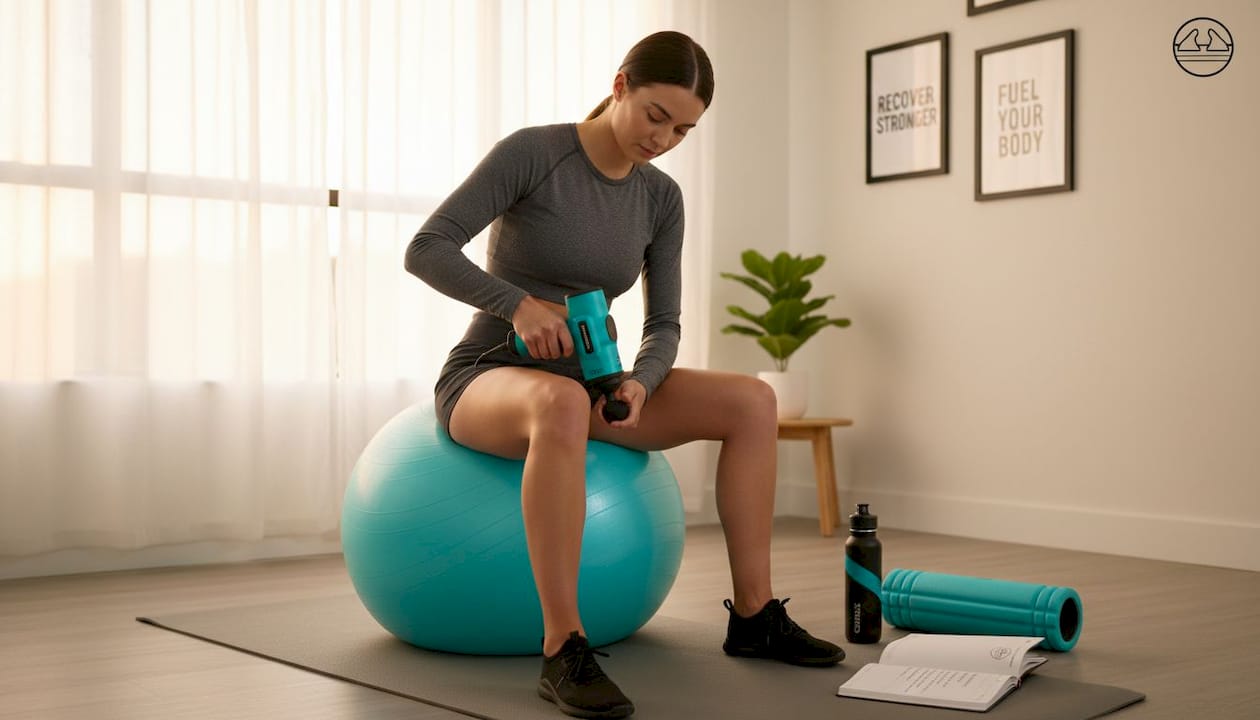
Professional-grade massage draws from a toolkit of specific hands-on methods, each with a distinct purpose and an optimal moment to apply it. Understanding what each technique does helps you communicate better with your therapist and know what to expect.
The core techniques
- Effleurage — Long, gliding strokes applied at the start of a session. These warm the tissue, increase local circulation, and prepare muscles for deeper work. They are also used at the end of a session to flush metabolic waste.
- Petrissage — Kneading and lifting movements that target muscle bulk and connective tissue. This technique breaks up adhesions and releases chronic tension in high-use muscle groups.
- Friction — Deep, cross-fiber or circular pressure applied directly to specific areas. Friction targets scar tissue, tendon attachments, and joint areas where adhesions limit movement.
- Tapotement — Rhythmic tapping, cupping, or hacking movements. Used primarily in pre-event sessions to stimulate the nervous system and increase muscle activation.
- Deep tissue massage — Sustained pressure applied to deeper muscle layers. Particularly effective for chronic tension and postural imbalances that surface over long training cycles.
- Trigger point therapy — Focused pressure held on hyperirritable spots within muscle tissue, commonly called knots. Holding pressure on a trigger point creates a release response that reduces referred pain and restores normal muscle function.
- Myofascial release — Slow, sustained stretching of the fascial web that surrounds all muscle tissue. This technique addresses restrictions that affect full-body movement patterns, not just local tightness.
Matching technique to session type
| Session type | Timing | Techniques used | Goal |
|---|---|---|---|
| Pre-event | 30-60 min before competition | Effleurage, tapotement | Warm up, activate, energize |
| Post-event | Within 2 hours of activity | Petrissage, effleurage, friction | Flush waste, reduce soreness |
| Recovery | Rest or easy training days | Deep tissue, trigger point, MFR | Address chronic tension, restore ROM |
| Maintenance | Weekly or bi-weekly | Full range, adaptive | Sustain function, prevent buildup |
Pro Tip: Tell your therapist exactly where you feel restricted before each session, not just where it hurts. Tightness in one area often reflects a compensation pattern originating somewhere else entirely.
Understanding the full range of massage techniques and benefits gives you the vocabulary to drive better outcomes from every session. When you can describe what you’re feeling and what you need, your therapist can respond with precision. Knowing how to apply trigger point relief techniques on your own between sessions is equally valuable for managing daily tightness.
Evidence-backed benefits: What can you expect from professional-grade massage?
The results of professional-grade massage are well-documented. This isn’t anecdotal. A review of 23 studies covering 1,456 participants shows significant pain reduction of 1.8 points on the visual analog scale (VAS), a range-of-motion increase of 12.4 degrees, and measurably faster functional recovery. Athletes who received bi-weekly deep tissue sessions showed consistent performance improvements across multiple metrics.
Here is what the evidence says you can realistically expect:
- Reduced delayed onset muscle soreness (DOMS): Post-event massage within two hours significantly reduces the severity and duration of soreness following intense training.
- Improved range of motion: Regular sessions targeting specific joints and muscle groups produce cumulative gains in mobility, particularly in the hip flexors, thoracic spine, and hamstrings.
- Faster return to training: Athletes who include massage in their recovery protocols return to full training load more quickly after high-intensity competition.
- Reduced perception of fatigue: Even when objective performance metrics remain stable, athletes consistently report lower perceived exertion and fatigue following regular massage.
- Nervous system regulation: The parasympathetic activation triggered by massage lowers cortisol levels and supports better sleep quality, both of which directly impact recovery speed.
These outcomes are most reliable when massage is scheduled consistently, not just when something hurts. Sporadic sessions produce short-term relief. A structured schedule tied to your training cycle produces lasting improvement.
Pro Tip: Combine professional massage with trigger point therapy tools at home to maintain the gains from each session. Even 10 minutes of targeted self-release between appointments can significantly reduce the buildup of tension before your next session.
Frequency matters. During peak training periods, two to three sessions per week is appropriate for competitive athletes. For recreational athletes managing a moderate training load, one session per week during heavy blocks and bi-weekly during base training is a practical starting point. Adjust based on how your body responds and what your recovery demands actually are.
When and how to use professional-grade massage safely
Knowing the benefits is only part of the picture. Applying massage at the wrong time or in the wrong situation can delay recovery or cause harm. Safe, effective use depends on understanding timing, contraindications, and communication.
Optimal timing by training phase
- Pre-event (30 to 60 minutes before): Keep it light and brief. Focus on effleurage and tapotement to activate the nervous system and warm tissue. Avoid deep work before maximum-effort events, as heavy pressure can temporarily reduce force output.
- Post-event (within 2 hours): This is the ideal window for moderate depth work. Effleurage and petrissage flush lactic acid and inflammatory byproducts from fatigued tissue.
- Recovery sessions (24 to 72 hours after intense training): The prime window for deeper techniques. Tissue is no longer acutely inflamed but still pliable. This is when trigger point work and myofascial release are most effective.
- Maintenance sessions (weekly or bi-weekly): Ongoing management of tension buildup, postural patterns, and mobility restrictions. These sessions keep your body operating at baseline, reducing the risk of compensatory injury.
When to avoid professional-grade massage
- Acute injuries with visible swelling or bruising
- Open wounds, skin infections, or rashes
- Systemic conditions such as blood clots, fever, or active inflammation
- Immediately before maximum-effort competition or strength testing
- Directly on areas of suspected fracture or nerve impingement
“Massage is a powerful adjunct to training and physical therapy, but it is not a standalone fix. Intensity should be tailored to the individual and is not always intended to be painful.” — Sports Massage for Faster Recovery
Common mistakes include booking a deep session the night before a race, assuming that pain during a session means it is working, and skipping communication with your therapist about what is or isn’t helping. Clear, direct feedback every session is not optional. It is the mechanism by which professional-grade massage stays professional. You can find structured guidance on soft tissue therapy options to understand how different modalities fit into different training contexts.
What most people miss about professional-grade massage
Here is a perspective that most massage content skips: the biggest limitation of professional-grade massage isn’t the technique. It’s the assumption that more intensity equals more benefit.
We see this pattern repeatedly. Athletes push through uncomfortable pressure because they equate pain with progress. Therapists sometimes comply because the client insists. The result is tissue that responds with guarding and inflammation rather than release. Qualified therapists understand sport demands and individual variance, and they use that understanding to calibrate intensity precisely rather than defaulting to maximum pressure.
Professional-grade massage is also not a substitute for physical therapy. Physiotherapy is rehabilitation-focused, addressing structural dysfunction and movement retraining after injury. Deep tissue massage targets chronic tension and fascial restriction. Sports massage manages the physical demands of an active training schedule. These are related but not interchangeable. Using the wrong modality at the wrong time delays recovery rather than accelerating it.
The evidence also shows limits. Some studies find no significant gains in strength or power from pre-event massage, and massage alone does not prevent injuries. Recovery tools and manual therapy are adjuncts to smart training, not replacements for load management, mobility work, or adequate sleep.
The counterintuitive truth is that the most effective professional-grade massage sessions are often the least dramatic. A well-timed, moderate-pressure session that targets the right areas based on individual assessment will consistently outperform an aggressive session that leaves you sore for days. Read more on therapeutic massage evidence to develop a clearer picture of where the research is strong and where it still has room to grow.
Take your recovery further: Professional-grade tools you can try
After understanding what professional-grade massage involves and what it can realistically deliver, the next practical step is bringing that level of targeted muscle work into your daily recovery routine.
Professional sessions are valuable, but what happens between appointments matters just as much. Thrival’s recovery tools are built to bridge that gap with precision. The Thrival Deep Tissue Pro delivers targeted, professional-grade pressure to tight spots in the back, hips, and shoulders, replicating the focused work of a skilled therapist in a portable, durable format. Pair it with Thrival Wave Attachments to customize pressure and targeting for different muscle groups and recovery needs. US-made, FDA-registered, and built to last, these tools are designed for athletes who take recovery as seriously as training.
Frequently asked questions
Is professional-grade massage painful?
Professional-grade massage is tailored to the individual and isn’t always painful; intensity is adjusted to your needs and comfort level throughout every session.
Should I get a professional-grade massage before or after a workout?
Pre-event massage is light and short, designed for warm-up and activation, while deeper work is best scheduled after workouts or on recovery days to maximize tissue response.
How often should athletes schedule professional-grade massages?
During heavy training, 2 to 3 sessions per week is common for competitive athletes, but frequency should always be personalized based on training load and individual recovery capacity.
Can professional-grade massage prevent injuries?
Massage supports recovery and helps manage tissue tension, but it does not prevent injuries alone and should be used alongside smart training practices and proper load management.
What are the main risks or side effects of professional-grade massage?
Avoid massage with acute injuries, swelling, or systemic health issues, and always consult your provider; deep work before maximum-effort events can temporarily reduce power output and should be avoided.